
How to keep draughts out this winter
Learn more about choosing draught excluders and find draught-proofing tips for your home this winter in our helpful guide.
Shop all draught excluders and door stops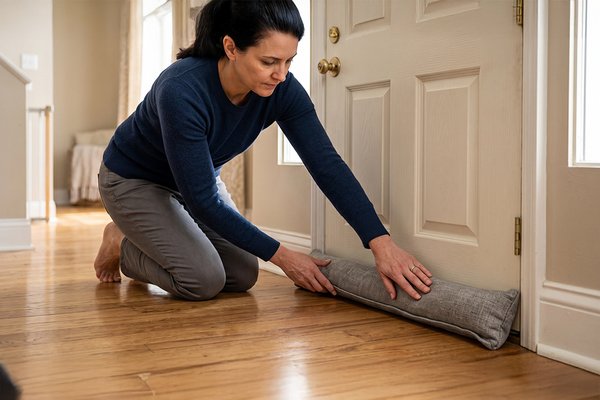&poi={$this.metadata.pointOfInterest.x},{$this.metadata.pointOfInterest.y},{$this.metadata.pointOfInterest.w},{$this.metadata.pointOfInterest.h}&scaleFit={$sfcenter}&sm=aspect&aspect=3:2&sfcenter=center&sfpoi=poi&qlt=50&fmt=auto&noiser=0&fmt.jpeg.interlaced=true&fmt.jp2.qlt=40&)
By Kirsty Evans | Last edited: November 2026
Draughts happen when outside air enters through unwanted gaps around doors, windows, floors or other parts of your home. A cold patch near a door or window can make a room feel less comfortable, even when the heating is on.
The right solution depends on your needs, and, more specifically, where the cold air is entering your home. A fabric draught excluder can be a simple option for a gap beneath a door, while strips, brushes or sealants may be better for gaps around frames.
Read on to find the best ways to keep your home protected from draughts this winter.
Quick answer: how can you keep draughts out?
You can start by checking around external doors, windows, letterboxes, floorboards and skirting boards. Look for moving air or any visible gaps.
Depending on the location of the draught, you may be able to use:
- A fabric draught excluder along the bottom of a door
- A brush or hinged flap for a gap beneath an external door
- Draught-proofing strips around opening doors and windows
- A brush or flap inside a letterbox
- Suitable flexible filler for small gaps around floors or skirting boards
- Professionally fitted draught proofing where the source is difficult to identify or repair
Tip: Check that you aren't blocking extractor fans, air bricks, wall vents, trickle vents, boiler flues or other ventilation openings. These provide important airflow for your home.
What is a draught?
A draught is unwanted air entering a home through a gap or crack. Common signs include:
- Cold air that you can feel near a door or window
- Curtains moving when a window is closed
- Daylight showing beneath or around a door
- Rattling or whistling during windy weather
- A noticeably colder area near a floor or skirting board
It helps to find the source before buying anything. Check carefully around the edges of external doors and windows. You can also look around letterboxes, keyholes, loft hatches, pipework and gaps where skirting boards meet the floor.
Tip: Take care when checking near heating appliances, fireplaces or electrical fittings. If you cannot safely identify the source, ask a qualified professional for advice.
What is a draught excluder?
A draught excluder is designed to reduce unwanted airflow through a gap. Different designs will suit different areas of the home.
A soft fabric draught excluder is usually placed along the bottom of a door. It doesn't need to be permanently fitted, making it easy to remove when it's not required.
Other options include:
- Brush strips: Fitted along the bottom of a door
- Hinged flaps: Fitted to a door to cover the bottom gap
- Foam strips: Attached around some door or window frames that open
- Brush or wiper strips: Used around frames where a more durable seal is needed
- Letterbox brushes or flaps: Designed to reduce airflow through a letterbox
The aim is to cover the unwanted gap without stopping the door or window from opening, closing or locking correctly.
Do draught excluders work?
A well-positioned draught excluder can reduce the flow of cold air through a gap, such as the space beneath an external door. This can help the surrounding room feel more comfortable.
The result will depend on:
- Whether you have found the correct source of the draught
- The size and shape of the gap
- Whether the excluder covers the full width
- Whether air is also entering around the sides or top of the frame
- Whether the product stays in place
Note: A fabric draught excluder will not seal gaps around the entire door. If air is entering around the frame, you may need suitable draught-proofing strips as well.
How to choose a draught excluder for a door?
We're here to help with guidance on what to consider when choosing a draught excluder for a door:
1. Measure the doorway
Measure the width of the door or the gap that you want to cover. Check the full product measurements before choosing an excluder.
An excluder that is too short may leave space for air to pass around it. Meanwhile, an unnecessarily long one may stop the door from opening easily and may not sit neatly against the gap.
2. Check where the draught is coming from
A fabric excluder is most useful when air is coming through the space at the bottom of a door. If you can feel air around the sides or top, a strip designed for the door frame may be more suitable.
For an external door, remember to check:
- Beneath the door
- Around the frame
- The letterbox
- The keyhole
3. Think about how often the door is used
A loose fabric excluder can be easy to position, but you may need to move it whenever the door opens. For a frequently used external door, a properly fitted brush or hinged flap may be more convenient.
4. Check the care instructions
Fabric, filling and cleaning instructions vary for different products. Review the product information and guidelines before cleaning or washing a draught excluder.
How to use a fabric draught excluder?
You should typically place the draught excluder flat against the bottom of the closed door, covering as much of the gap as possible.
For the best fit:
- Position it directly against the door rather than leaving a space
- Make sure it covers the full draughty area
- Check that it is stable and does not roll away
- Move it before opening the door if it could catch or create an obstruction
- Reposition it after the door has closed
Avoid placing a loose draught excluder where it could become a trip hazard or block a route through the home.
Tip: For internal doors, first check if the gap is needed for airflow between rooms. It is generally recommended not to draught-proof internal doors as these are useful for ventilation.
How to stop cold air coming through windows?
First check whether the draught is coming through an opening section of the window, a fixed gap or a ventilation feature.
For opening windows, appropriately sized foam, brush or wiper strips may help close any unwanted gaps. For some fixed gaps, a suitable sealant may be a good option.
Tip: Do not cover trickle vents. These are designed to support controlled ventilation and should normally be left open.
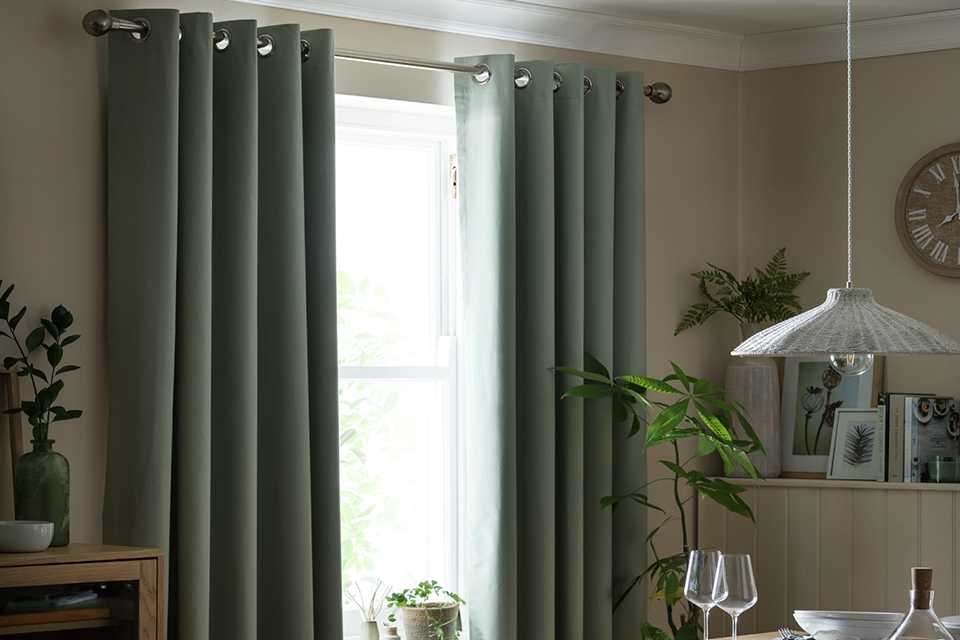
Curtains can add an extra layer between the room and a cold window, but they do not repair gaps in a frame. Keep curtains clear of heaters and follow the safety instructions supplied with any heating product if placed near your curtains.
Other places to check for draughts
Floorboards and skirting boards
Small gaps between floorboards or around skirting boards can allow air to enter. A flexible filler may be suitable for some gaps because floors and timber can move slightly.
Loft hatches
Cold air can sometimes enter around a poorly fitting loft hatch. Draught-proofing strips may be suitable around the frame, but the hatch and loft insulation should be handled carefully.
Pipework
Small gaps can occur where pipes pass through an external wall or floor. The right material to draught-proof these areas depends on the size of the gap, its location and the type of pipe.
Chimneys and fireplaces
An unused chimney can be a source of draughts, but it also needs suitable ventilation. Never block a working flue and always take out any removable chimney draught-proofing before lighting a fire.
Note: Check with a qualified professional if you're unsure about how to draught-proof any areas or see any large, recurring or unexplained gaps. Always confirm that any product you plan to use is suitable for the material and location.
Shop draught excluders and door stops at Argos
Slider Grid
- Save 10%£8.00Was
£9.00Free collection or delivery from £4.95 - Save 10%£8.00Was
£9.00Free collection or delivery from £4.95 - Save 25%£6.00Was
£8.00Free collection or delivery from £4.95













What should you not draught-proof?
Never block anything that's designed to provide ventilation or safely remove combustion gases.
This includes:
- Boiler flues
- Air bricks and underfloor grilles
- Extractor fans
- Wall vents
- Window trickle vents
- Ventilation openings for gas appliances
- An active chimney or flue
Good ventilation helps manage moisture and indoor air quality. If your home has condensation, an open fire, a gas appliance or limited existing ventilation, get professional advice before carrying out extensive draught proofing.
Do you need professional advice?
Consider seeking help from a professional if:
- The source of the draught is not clear
- A door or window is damaged or poorly fitted
- You're living in an older building, or one that has traditional features
- There are large cracks or recurring gaps
- Work is needed near a flue, fireplace, gas appliance or ventilation opening
- You're unsure whether a gap is intentional
- The repair requires specialist tools or materials
A professional can help identify the source and choose appropriate draught-proofing remedies.
Draught-proofing checklist
Here's a quick checklist for draught-proofing your home:
Before winter, check:
- Beneath and around external doors
- Letterboxes and keyholes
- Opening windows and their frames
- Skirting boards and floor edges
- Loft hatches
- Gaps around pipes entering external walls
- Unused fireplaces and chimneys
- Whether existing seals are damaged or coming loose
Remember: Tackle only unwanted gaps. Always leave ventilation openings clear and make sure doors and windows can continue to operate properly.
Frequently asked questions about draught-proofing
Do draught excluders actually work?
A draught excluder can reduce cold airflow by covering the gap that is causing the problem. A fabric excluder is best suited to a gap along the bottom of a door. Always check the whole door before choosing a solution as the right draught-proofing method for you will vary based on your needs. In some cases, you may need a combination of a bottom excluder and suitable strips around the edges.
What is the best type of draught excluder for a door?
The best draught excluder for doors depends on where the draught is entering from and how often the door is used. A fabric draught excluder is a simple, movable option for the bottom of a door. Meanwhile, a fitted brush or hinged flap may be more convenient for an external door that is opened regularly. Foam, brush or wiper strips may help with gaps around the frame. The best choice is one that suits your needs and still allows the door to close and lock correctly.
What is the best filling for a draught excluder?
There is no single filling that will be best for every draught excluder. The finished product needs to be long enough to cover the gap, substantial enough to stay in position and flexible enough to sit against the door. Check the complete product dimensions, weight, fabric and care instructions rather than choosing by filling alone.
How do you stop draughts at the bottom of a door?
For an external door, a fabric excluder, fitted brush or hinged flap may help. Measure the width and make sure the product covers the draughty area without stopping the door from moving freely. Do not automatically seal the gap beneath an internal door because it may support airflow between rooms. If the door is damaged or badly aligned, ask a professional to inspect it and follow their advice.
How can you stop cold air coming through windows?
Start by checking whether air is entering around an opening window, through a fixed gap or through a ventilation feature. Some opening frames can benefit from appropriately sized foam, brush or wiper strips around them. A suitable sealant may be used for certain fixed gaps. Do not block trickle vents, as they provide controlled ventilation. Sliding sash windows and older frames may need a specialist solution. Curtains can help create an extra layer at the window, but they will not repair a damaged or poorly fitted frame.
Can you use a draught excluder on an internal door?
While a fabric excluder can physically cover the bottom of an internal door, keep in mind that the gap may be there to let air move between rooms. It is advisable to avoid draught-proofing internal doors because airflow through the home is important. If a particular room feels unusually cold, look for an external source first, such as a window, outside door or floor gap. Ask a professional if you are unsure whether the opening is required for ventilation.