
Hosting hacks to make entertaining easy
Take the stress out of hosting the perfect party or get together and make it the party everyone will be talking about!
Shop all party supplies and decorations&poi={$this.metadata.pointOfInterest.x},{$this.metadata.pointOfInterest.y},{$this.metadata.pointOfInterest.w},{$this.metadata.pointOfInterest.h}&scaleFit={($this.metadata.pointOfInterest.x>0)?$sfpoi:$sfcenter}&sm=aspect&aspect=3:2&sfcenter=center&sfpoi=poi&qlt=50&fmt=auto&noiser=0&fmt.jpeg.interlaced=true&fmt.jp2.qlt=40&)
By Steven Smith | Date published: October 2026
Hosting hacks to make entertaining easy
Hosting guests doesn’t have to involve a full day in the kitchen or the perfect table set up. The easiest way to host well is to make a simple plan, prep what you can in advance, and set things up so guests can help themselves.
Whether you’re planning a casual dinner party, a family lunch, a garden get-together or a relaxed party at home, these hosting hacks can help you save time, reduce last-minute stress and enjoy the event too. The focus is on practical prep, easy dinner party ideas, flexible food stations, simple table settings and low-effort entertainment.
Quick hosting checklist
Use this as a simple starting point before guests arrive.
- Plan the guest list and timings. Work out who’s coming, when they’ll arrive and whether you need extra seats, plates or glasses.
- Check dietary needs early. Ask guests about allergies, intolerances or food preferences before you plan the menu.
- Choose a simple menu. Pick dishes you can make ahead or finish quickly before serving.
- Set up self-serve food and drinks. A drinks station, grazing board or buffet-style table means guests can help themselves.
- Prepare the table the in advance. Lay out plates, cutlery, glasses, napkins and serving dishes in advance.
- Create a clear place for coats and bags. This helps avoid clutter around the dining or living space.
- Have simple entertainment ready. Board games, music, quizzes or conversation cards can help guests settle in.
- Make clean-up easier. Put bins and recycling bags somewhere visible, and keep cloths, spare bin bags and food containers nearby.
Where possible, you'll want to prepare your confirmed guest list, dietary needs, menu and anything else you’ll need to get plenty in advance to give you time for preparation. Don’t leave things until the moments before people start arriving to make things as stress free as possible.
Easy food and drink ideas for hosting
A good hosting menu should feel manageable. You don’t need lots of courses or complicated recipes. Choose food that suits your space, your cooking time and how formal you want the gathering to feel.
Try a grazing board
A grazing board works well for relaxed hosting because guests can pick what they like. Use a large board or platter and group food in small sections, such as:
- crackers, breadsticks or sliced bread
- cheese or dips
- chopped vegetables
- fruit
- olives or pickles
- nuts, if suitable for your guests
- bite sized sweet treats
Keep allergy information in mind and use separate bowls, tongs or serving spoons where needed.
Choose make-ahead mains
Make-ahead dinner party main course recipes can be useful because they reduce cooking time when guests arrive. Think about dishes that can be prepared earlier and heated safely, such as tray bakes, pasta bakes, stews, curries or slow cooker meals.
If reheating food, follow the recipe or packet instructions carefully. GOV.UK guidance from the Food Standards Agency says food should be cooked at the right temperature and for the correct length of time, and that you can use visual cues or a clean food thermometer to check food is cooked properly.
Set up a self-serve drinks station
A self-serve drinks area can make hosting easier because guests do not need to wait for you to top them up. Keep it simple with:
- water in a jug or dispenser
- soft drinks
- glasses or cups
- ice, if needed
- sliced fruit or herbs for garnish
- a small bin or tray for empties
Place the drinks station away from the main cooking area if you can. This helps avoid crowding in the kitchen.
Keep dinner party food flexible
If you’re unsure what to cook for a group, choose a flexible format rather than a fixed plated meal. This could be:
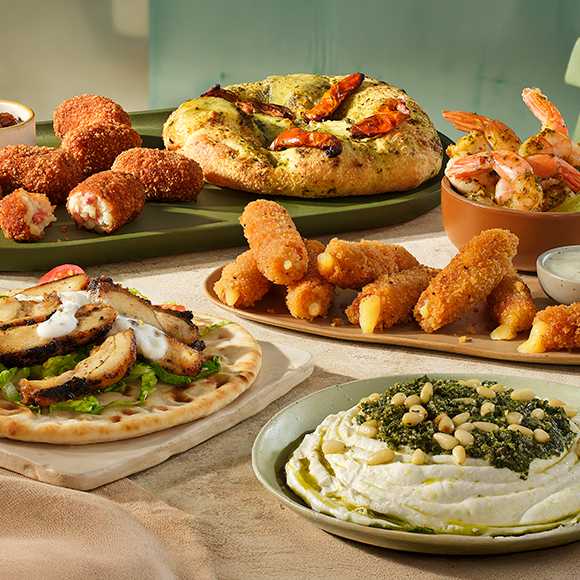
- a buffet with a range of small, easy to eat “finger foods”
- build-your-own wraps or tacos
- sharing platters
- pasta with separate toppings
- salads and sides served family-style
- oven-to-table dishes
This approach makes it easier for guests to choose portions and avoid anything they do not want.
Table and room set-up tips
A simple set-up can still feel considered. Focus on making the room easy to use rather than overly styled.
Set the table the day before
Where it’s possible, put out plates, bowls, cutlery, glasses, napkins and serving dishes in advance. If your home set up allows it, setting up the day before frees you up more on the day of the event and helps you check if anything is missing before the day itself.
If space is tight, stack plates at one end of the table and let guests serve themselves. For a sit-down meal, leave enough room for serving dishes, water and condiments so the table doesn’t feel crowded.
Use lighting to make the room feel relaxed
Soft lighting can make a dining area feel more comfortable. Try using lamps, battery candles or string lights instead of relying only on bright overhead lights.
If you’re hosting outside, check lighting before guests arrive so paths, steps and seating areas are visible.
Add extra seating where it helps
The type of gathering you’re having will help inform the sort of seating you’ll want. Benches, folding chairs, stools or garden chairs can help if you need more seating for a casual set up. For more formal dining, collapsable or extendable dining tables and extra chairs will be ideal.
Keep serving items easy to reach
Before guests arrive, gather the things you and your guests will need for their food and drink into an easy to access place. Things to gather together could include:
- serving spoons
- chopping boards
- oven gloves
- tea towels
- jugs
- spare glasses
- napkins
- food containers for leftovers
This saves time looking through drawers while food is ready to serve.
Entertainment ideas for guests
Good hosting is not just about food. A few simple entertainment ideas can keep the atmosphere relaxed, especially if guests don’t all know each other.
Use music as a quiet background
Choose a playlist before guests arrive. Keep the volume low enough for conversation. If people are moving between rooms or going outside, a portable speaker can help keep the atmosphere consistent.
Keep a few games ready
Games work well after food or while people are waiting to eat. Choose quick games that are easy to explain, especially for mixed groups.
Good options include:
- card games
- quiz games
- word games
- board games for small groups
- team games for larger groups
Try simple dinner party conversation prompts
If you want something more low-key than a game, write a few conversation prompts and place them in a bowl. Keep them light and inclusive, such as:
- What’s the easiest meal you like to cook?
- What film could you watch again?
- What’s one place in the UK you’d like to visit?
- What song always gets stuck in your head?
Avoid prompts that put guests on the spot or ask for personal information.
Create a simple activity station
For informal parties, an activity station can keep people entertained without needing much structure. Depending on the event, this could be:
- a make-your-own dessert area
- a mocktail station
- a board game corner
- a photo booth area with simple fun props
- a craft table for family gatherings
Keep it optional so guests can join in when they want to.
Clean-up shortcuts for after hosting
Make the process of clean-up easier by planning ahead. Make it easy for your guests to help without effort and you will save yourself hours of clean-up after your gathering.
Put bins where people can see them
Make bins and recycling options easy for your guests to find. Put them in view of areas your guests will be spending the most time to make your job easy when it comes to tidying up.
Clear in small stages
Break the task of tidying up into smaller elements to make it easier. Start with anything that affects food safety, such as storing leftovers properly and clearing dishes with food on them. Then move on to glasses, surfaces and larger serving dishes.
Use trays to move items quickly
Trays make it easier to collect glasses, plates or serving dishes in fewer trips. Keep one tray aside for used glasses and another for plates if you have space. Placing trays on sideboards or near collections of guests will allow them to set glasses and plates there for your ease later.
Store leftovers safely
Cool and store leftovers according to the recipe, packet instructions or relevant food safety guidance. The Food Standards Agency recommends storing leftovers correctly and taking extra care when reheating them.
FAQs about hosting
What are some easy dinner hosting ideas?
Easy dinner hosting ideas include choosing a make-ahead main, setting up a grazing board, using oven-to-table dishes and preparing a self-serve drinks station. Keep the menu simple and choose food that does not need lots of attention when guests arrive. You can also lay the table the day before, chill drinks early and keep serving dishes ready.
How do you host a dinner party without stress?
The easiest way to host with less stress is to make decisions early. Confirm guest numbers, ask about food needs, choose a simple menu and prepare as much as you can the day before. Avoid trying too many new recipes at once. Set up drinks, snacks and tableware before guests arrive so you are not rushing between rooms. A loose timeline also helps, especially if you’re cooking several dishes or hosting a larger group.
Which foods work well for a casual dinner party?
Casual dinner party food should be easy to serve and flexible for different appetites. Sharing dishes, pasta bakes, tray bakes, curries, stews, salads and build-your-own wraps can all work well. Grazing boards are useful for starters or relaxed lunches, while buffet-style food can help guests serve themselves. Always consider allergies and dietary needs when planning the menu and follow cooking and storage guidance from reliable sources such as the Food Standards Agency.
How can I keep guests entertained at a dinner party?
Keep entertainment simple and optional. Background music, quick card games, quiz games or conversation prompts can help guests settle in without making the evening feel too structured. If guests do not all know each other, choose activities that are easy to join and do not require long explanations. For after-dinner entertainment, a small stack of board games or party games can work well, especially for mixed groups.
What should you not forget when hosting guests?
Do not forget the basics guests will use most: enough glasses, plates, cutlery, napkins, serving spoons, seating and space for coats or bags. It is also helpful to plan drinks, ice, bin bags, food containers and a few spare towels or cloths for spills. If you’re serving food, check dietary needs in advance and keep raw and ready-to-eat foods separate during preparation.
How do you make a dinner party feel special without overplanning?
Small details can make a dinner party feel more considered without adding lots of work. Set the table before guests arrive, use softer lighting, prepare a simple welcome drink and serve food in sharing dishes so the meal feels relaxed. You could also add place cards, a small centrepiece or a bowl of conversation prompts. Focus on comfort and ease rather than complicated styling.
Can you host a party in a small space?
Yes, you can host in a small space by keeping the layout simple. Move clutter out of the main room, use a buffet or self-serve food area, and keep drinks away from the kitchen if possible. Folding chairs, stools or benches can help with extra seating. Choose food that does not need lots of table space, such as sharing platters, bowl food or snacks served in stages.
What are some easy entertainment ideas for parties at home?
Easy party entertainment ideas include a shared playlist, simple quiz rounds, card games, board games, a photo corner or a make-your-own dessert station. For adult gatherings, choose activities that people can dip in and out of. For family events, keep different ages in mind and avoid games with long rules. A mix of music, food and one or two optional activities is often enough.
How far in advance should you prepare for hosting?
For a small dinner, start planning a few days ahead. Confirm guests, choose the menu and buy non-perishable items first. The day before, prepare make-ahead dishes, chill drinks and set the table. On the day, focus on fresh food, tidying key spaces and setting out drinks or snacks. For larger parties, give yourself more time to organise seating, decorations and any extra tableware.