
Bluetooth trackers and tags explained
Keep track of your keys, tech and bags with small, easy to use Bluetooth trackers.
Shop all Bluetooth trackers and tags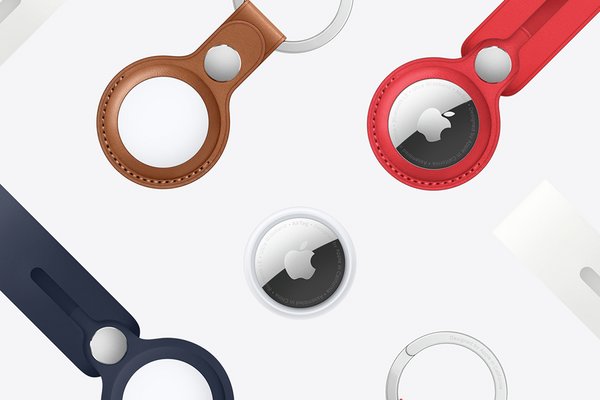&poi={$this.metadata.pointOfInterest.x},{$this.metadata.pointOfInterest.y},{$this.metadata.pointOfInterest.w},{$this.metadata.pointOfInterest.h}&scaleFit={$sfcenter}&sm=aspect&aspect=3:2&sfcenter=center&sfpoi=poi&qlt=50&fmt=auto&noiser=0&fmt.jpeg.interlaced=true&fmt.jp2.qlt=40&)
By Steven Smith | Date published: July 2026
Bluetooth trackers and tags are small devices that help you find everyday items like keys, wallets, bags and luggage. Attach one to an item, connect it to a compatible app on your phone and you can even make some tags play a sound, check its last known location or use a wider finding network to help locate it.
They’re useful for things you misplace often, but they’re not the same as live GPS tracking devices. This guide explains how Bluetooth trackers work, what to look for and how to choose a tracker tag that fits your phone, your possessions and the way you’ll use it.
What are Bluetooth trackers and tags?
Bluetooth trackers and tags are compact devices that connect to your smartphone using Bluetooth. They’re designed to help you keep track of personal belongings, rather than people or pets.
Most tracker tags work through a companion app. Depending on the model and phone compatibility, you may be able to:
- Make the tag ring when it’s nearby
- See the item’s last known location on a map
- Use a wider finding network to help locate an item when it’s further away
- Get alerts if you leave an item behind
- Share access with trusted people, depending on the device and app
Bluetooth trackers and tags vs GPS trackers
While Bluetooth and GPS trackers serve similar roles; both are intended to help you locate items they’re attached to, but they work in different ways; making them good for different uses.
| Feature | Bluetooth tracker tag | GPS tracker |
|---|---|---|
Best for | Keys, wallets, bags, luggage and everyday items | Items, vehicles or equipment that need broader location tracking. |
How it works | Uses Bluetooth and, in some cases, a wider finding network | Uses GPS satellite location, usually with mobile data |
Live location | Usually not live or continuous | Often supports more frequent location updates |
Battery | Often small batteries that can last months or longer, depending on the model | Often needs more frequent charging |
Subscription | Many do not need a subscription for basic finding features, but check the product details | Some may need a data plan or subscription |
Size | Small and lightweight | Usually larger than Bluetooth tags |
Shop Bluetooth trackers and tags
Slider Grid
- Save £10.00£14.99Was
£24.99Free collection or delivery from £4.95 - Save Over £39.00£40.00Was
£79.99Free collection or delivery from £4.95 - Lowest Price£29.99Free collection or delivery from £4.95








What can you use a Bluetooth tracker for?
Bluetooth tracker tags work best when attached to personal items that are easy to lose or leave behind. Popular uses include:
Keys
A keyring tracker can help when your keys are somewhere nearby, such as under a coat, in a drawer or in another room. Look for a tag with a built-in keyring hole or a compatible case.
Wallets and purses
Slim tracker cards can fit inside a wallet, purse or travel document holder. This can be more practical than a thicker tag if you want something that sits flat.
Bags and backpacks
Tracker tags can be placed inside backpacks, handbags, gym bags or work bags. This can help you check the last known location if you leave a bag behind.
Luggage
A tracker in your suitcase can help you see when your luggage was last detected by your phone or a compatible finding network. It should be used as a helpful locator, not as a live location tracker.
Tech accessories
Some people use Bluetooth trackers with laptop bags, camera cases, headphones cases or other accessories that are often moved between places.
How to choose the right tracker tag for you
Before choosing a tracker, check whether it works with your phone. Some trackers are designed mainly for iPhone and Apple’s Find My app, while others work with Android, Samsung, Tile or Google’s Find My Device network. Also check whether the tracker needs a separate app, an account, location permissions or a specific phone software version.
| If you want to track... | Look for... |
|---|---|
Keys | A small tracker with a keyring hole or compatible keyring case |
Wallet | A slim card-style tracker |
Luggage | A tracker with a wide finding network and good battery life |
Backpack or handbag | A tag that can sit securely inside a pocket or be attached to a zip |
Items around the home | A loud sound alert and simple app controls |
Bluetooth tracker privacy and safety
Bluetooth trackers are designed to help find belongings, but they should always be used responsibly. Modern iPhone and Android devices can show alerts if an unknown compatible tracker appears to be moving with you over time. If you receive an alert, follow the steps on your phone to locate the tracker, view available information and disable it. If you feel unsafe, move to a safe public place and contact someone you trust or the police.
FAQs
What are Bluetooth tracker tags?
Bluetooth tracker tags are small item finders that connect to a compatible smartphone app. You can attach one to personal belongings such as keys, wallets, bags or luggage. When the item is nearby, the app can usually make the tag play a sound. If it is further away, the app may show the last known location or use a wider finding network, depending on the tracker. They are designed for finding belongings, not for tracking people.
How do Bluetooth tracker tags work?
Bluetooth tracker tags send out a Bluetooth signal that can be detected by your phone when the tag is within range. If the item is close, you can usually use the app to make the tag ring. If the item is not nearby, some trackers show the last place it was detected. Others can use a wider network of compatible devices to help update the item’s location. Features vary by brand, phone and app, so check compatibility before buying.
What is the difference between a GPS tag and a Bluetooth tracker?
A Bluetooth tracker uses Bluetooth and, in some cases, a wider finding network to help locate nearby or last-seen items. A GPS tracker uses satellite location and often mobile data to provide broader location tracking. Bluetooth trackers are usually smaller and better for everyday items like keys, wallets and bags. GPS trackers are often larger and may need charging or a subscription. Always check the product details to understand what type of tracking is included.
Can you use an AirTag with Android?
Apple AirTag is designed to work with Apple’s Find My app, so it is best suited to iPhone and other compatible Apple devices. Android phones can help detect some unknown trackers for safety, but that is different from setting up and using an AirTag as your own item tracker. If you use Android, look for a tracker that clearly states Android compatibility, such as selected Tile, Samsung or Motorola tracker tags. You can browse Argos Bluetooth trackers to compare options.
Which Bluetooth tracker is best for keys?
For keys, look for a small tracker that can attach securely to a keyring. Some trackers have a built-in hole, while others need a separate case or keyring accessory. A clear sound alert is useful because keys are often lost nearby, such as under cushions, in coat pockets or in bags. Also check phone compatibility, battery type and whether the app is easy to use. If you use Android or iPhone, choose a tracker that works with your device.
Is there a GPS tracker for keys?
Most small key trackers are Bluetooth trackers rather than full GPS trackers. They help you find keys when they are nearby, show the last known location or use a compatible finding network. A true GPS tracker usually needs more power and may be larger, so it is less common for everyday keys. If you want a key tracker, check whether the product is described as Bluetooth, GPS or both, and review the app and battery details before buying.
How can I detect a Bluetooth tracker?
Modern phones can show alerts if an unknown compatible Bluetooth tracker appears to be moving with you over time. Google says unknown tracker alerts are available on Android 6 and up, and Apple also supports unwanted tracking alerts on compatible iPhones. If you receive an alert, follow the steps on your phone to locate the tracker, view available information and find instructions to disable it. If you feel unsafe, move to a safe public place and contact a trusted person or law enforcement.
What are the downsides of Bluetooth tracker tags?
Bluetooth tracker tags are helpful, but they have limits. They are not the same as live GPS trackers, and location updates may depend on Bluetooth range, phone compatibility and nearby devices in the finding network. Battery type also varies, with some models using replaceable batteries and others using non-replaceable batteries. Some features may only work with certain phones or apps. Before buying, check the product page for compatibility, battery life, sound alerts, water resistance and any app requirements.