
Baby sleep aids: what can help your little one settle?
Get your little one off to a peaceful sleep with our guide to the best sleep aids for babies.
Shop all baby sleep aids&poi={$this.metadata.pointOfInterest.x},{$this.metadata.pointOfInterest.y},{$this.metadata.pointOfInterest.w},{$this.metadata.pointOfInterest.h}&scaleFit={($this.metadata.pointOfInterest.x>0)?$sfpoi:$sfcenter}&sm=aspect&aspect=3:2&sfcenter=center&sfpoi=poi&qlt=50&fmt=auto&noiser=0&fmt.jpeg.interlaced=true&fmt.jp2.qlt=40&)
By Zara Flynn | Date published: July 2026
Every baby sleeps differently. Some settle with a simple routine, while others need a little more reassurance before naps or bedtime. Baby sleep aids can help create a calmer sleep setting, whether that’s through gentle sound, a soft night light, a well-fitting sleeping bag or a room thermometer.
The safest sleep set-up should always come first. NHS guidance says babies should sleep on their back in a cot or Moses basket, in the same room as you for the first 6 months, with no toys, pillows, cot bumpers or loose bedding that could cover their mouth or nose. The Lullaby Trust also recommends a clear, flat, firm, separate sleep space for every sleep.
This guide explains common types of baby sleep aids, what each one is useful for and what to consider before choosing one.
Quick answer: what are the best baby sleep aids?
The most useful baby sleep aids are the ones that support a calm, safe and consistent sleep routine. For many families, that might mean a white noise machine to mask background sound, a dim night light for night feeds, a baby sleeping bag for tog-rated wearable bedding without the loose blankets, a room thermometer to check the nursery temperature or a baby monitor for reassurance from another room.
No sleep aid can guarantee better sleep, and every baby is different. Always follow safer sleep guidance first: place your baby on their back, use a clear cot or Moses basket, keep loose items out of the sleep space and follow the product instructions carefully. The NHS and The Lullaby Trust both offer great advice and tips on safer sleeping for your baby.
What are baby sleep aids?
Baby sleep aids are products designed to help make bedtime, nap time or night feeds run more smoothly. They might use sound, light, temperature guidance or wearable bedding to support a settling routine.
Common baby sleep aids include:
- White noise machines and sound soothers: for steady, comforting background noise.
- Night lights and projectors: for a soft glow during bedtime or night feeds.
- Baby sleeping bags: for tog-rated wearable bedding without loose blankets.
- Room thermometers: to help you check ambient temperature in the room they're sleeping in.
- Baby monitors: to help you hear or see your baby from another room.
All sleep aids should be carefully considered and used safely alongside safe sleep guidance from the NHS and Lullaby trust.
Which baby sleep aid should you choose?
The most useful baby sleep aid is the one that solves a specific bedtime problem safely and simply. Before buying anything, think about what you want the product to do, where it will be used and whether it is suitable for your baby’s age and sleep space.
If your baby wakes when the house is noisy
A white noise machine or sound soother may help create a steady background sound. Some sound soothers include white noise, rainfall, heartbeat sounds or lullabies.
Look for simple volume controls and timer settings. Keep the device outside the cot, with all parts, cables and cords completely out of reach. Use it at a low volume and always follow the manufacturer’s instructions. For more guidance, read the NHS safer sleep advice for babies.
If you need a dim light for night feeds
A baby night light can make night feeds and nappy changes easier without switching on the main light. Look for a soft glow, adjustable brightness and simple controls you can use easily at night.
A dim light for the bedroom may also be useful for older children who want a little reassurance at bedtime. For babies, the key thing is keeping the room calm, clear and not too bright.
If you want one product for sound and light
A light and sound soother can combine several features in one place. For example, some products include soothing sounds, a gentle glow, rechargeable batteries or cry sensor features that restart sounds when baby stirs.
Light and sound can be helpful as part of a bedtime routine, but one size doesn't necessarily fit all, look for specific features that suit your family and sleep set up.
If you’re worried about room temperature
A room thermometer helps you check whether the room is too warm or too cool. This can be especially useful when deciding what your baby should wear for sleep.
The Lullaby Trust recommends trying to keep a baby’s room between 16 and 20°C and avoiding overheating.
If you're using a baby sleeping bag
A baby sleeping bag can be a practical alternative to loose blankets, as long as it fits correctly. NHS guidance says baby sleeping bags can help reduce the risk of babies wriggling underneath bedding, but they should fit well around the shoulders so the baby’s head cannot slip down into the bag.
Choose the tog rating based on the room temperature and follow the product guidance.
If you want to check on your baby from another room
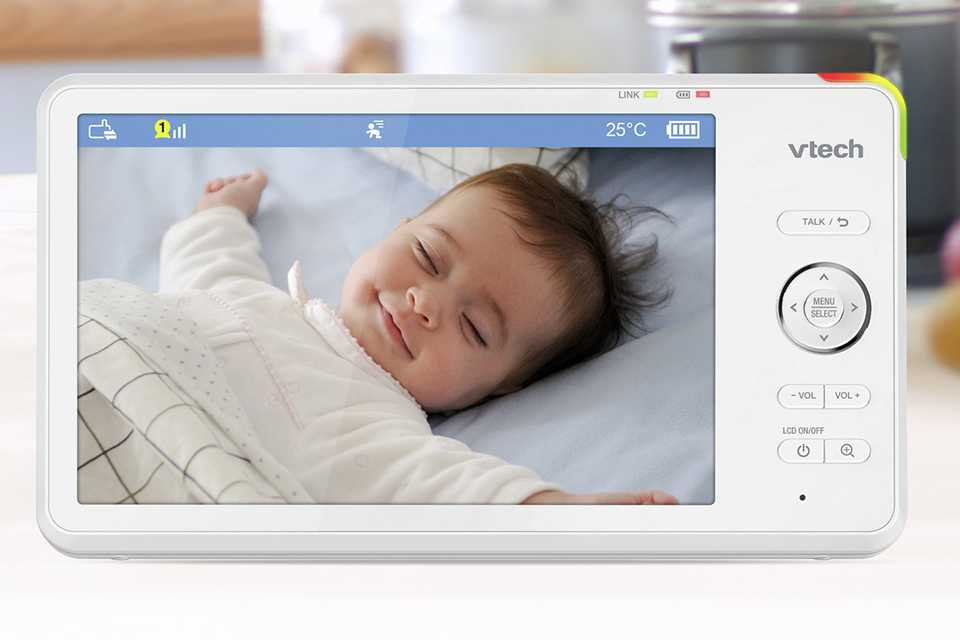
A baby monitor lets you see or hear your baby when they’re sleeping in another room nearby. They come as audio monitors, video baby monitors and smart monitors with features such as night vision, two-way audio or temperature sensors.
A monitor can be useful for reassurance for older babies, but it does not replace safer sleep guidance or the advice for younger babies to be supervised whilst sleeping.
White noise, brown noise and pink noise: what’s the difference?
White noise, brown noise and pink noise are all steady sounds, but they can feel different to listen to.
- White noise has a consistent, static-like sound. Some parents use it to mask everyday background noise. Examples include TV static and fans.
- Pink noise is often softer and more balanced than white noise. The sound of rainfall is an example of pink noise. Some baby sleep aids use pink noise alongside a gentle light.
- Brown noise has a deeper, lower sound. Some adults prefer it, but babies will respond differently. Brown noise could be a rainstorm with occasional thunder or a roaring waterfall.
If you’re choosing a white noise machine or brown noise machine, look for simple volume controls, a timer and a design that can be placed safely away from the cot. Keep the sound low and stop using it if it seems to disturb your baby.
How to use baby sleep aids safely
Baby sleep aids can support a calmer bedtime routine, but they should always be used alongside safer sleep guidance and shouldn’t change how or where your baby sleeps.
Before using any sleep aid, check the product’s age suitability, warnings and instructions. Make sure you know whether it is suitable for naps, overnight use or travel, and where it should be placed.
The following general guidance should not replace official recommendations:
- Keep your baby’s cot or Moses basket clear.
- Put your baby on their back for every sleep.
- Use a firm, flat, waterproof mattress.
- Keep toys, pillows, cot bumpers, pods, nests and loose bedding out of the sleep space.
- Place sound machines, monitors and night lights away from the cot unless the product instructions clearly say otherwise.
- Keep cables, batteries and small parts out of reach.
- Use a low, comfortable volume for sound aids.
- Check the room temperature and make sure your baby is not too hot.
- Stop using a product if it is no longer suitable for your baby’s age, weight or stage.
NHS guidance says the safest place for a baby to sleep for the first 6 months is in a cot, lying on their back, in the same room as you. The Lullaby Trust also recommends a clear, flat, firm, separate sleep space for every sleep.
All information provided is correct in line with NHS and Lullaby Trust guidance July 2026.
Baby sleep aids for travel and naps away from home
A portable sleep aid can be useful for naps away from home, weekends with family or holidays. Look for something lightweight, rechargeable or battery powered, with simple controls and a secure way to carry it.
Helpful features to look out for might include:
- a travel strap or clip
- white noise or lullaby settings
- adjustable volume
- a timer
- USB charging
- a washable outer cover, if it’s a plush sleep aid
Keep the same safety checks in mind when you’re away from home. A travel cot should still have a firm, flat sleep surface and a clear sleep space.
When should you stop using baby sleep aids?
There’s no defined age when every baby should stop using sleep aids. Some families use a sound machine for a short phase, while others keep a night light as part of a toddler’s bedtime routine.
It may be time to reduce or remove a sleep aid if:
- your baby no longer seems to need it
- the sound or light starts disturbing sleep
- the product is no longer suitable for their age or stage
- the instructions say to stop using it at a certain point
If you want to stop using a sound or light aid, try reducing it gradually. For example, lower the volume, shorten the timer or use it only at bedtime rather than for every wake-up.
FAQs about baby sleep aids
What’s the best sleep aid for a baby?
The best baby sleep aid depends on what you need help with. A white noise machine may help mask everyday sounds, a dim night light can make night feeds easier, and a room thermometer can help you check the sleep environment. A baby sleeping bag can also be useful if you want wearable bedding without loose blankets. Always start with safer sleep guidance first: a clear, flat, firm sleep space, with baby placed on their back.
Are portable white noise machines worth it?
A portable white noise machine can be useful if your baby settles better with consistent background sound or if you need something for naps away from home. Look for adjustable volume, a timer and a design that is easy to place away from the cot or pram. It is worth choosing one only if it fits your routine. Some babies find steady sound calming, while others do not need it.
Is it okay to play white noise all night?
Some white noise machines are designed with timer or continuous-play settings, but you should always follow the product instructions. Keep the volume low and place the device away from your baby’s sleep space. If the sound seems to disturb your baby, stop using it or try a shorter timer.
Does a white noise machine really help babies sleep?
A white noise machine may help some babies settle by creating a steady background sound, especially in a busy home. But it will not work for every baby and should not be treated as a guaranteed sleep solution. If you try one, use a low volume, keep it away from the cot and watch how your baby responds. A simple, consistent bedtime routine can be just as important.
What is the best light to sleep with at night?
For babies, a dark or softly lit room is usually enough. If you need a light for night feeds or changes, choose a dim night light with adjustable brightness. A soft, low-level glow can help you see without making the room feel too bright. Avoid placing lights or cables within reach of the cot, and make sure any product is used according to the instructions.
How can I mimic the womb for my baby?
Some parents use gentle sounds such as heartbeat, shushing, rainfall or soft white noise to create a familiar-feeling background sound. A calm routine can also help, especially keeping lights low, using a quiet voice and making night-time less stimulating. If you use a sound aid, keep it at a comfortable volume and away from the cot. Always remember safe sleep guidance and keep the sleep space clear and place your baby on their back.
Can baby sleep aids go in the cot?
NHS guidance says babies should not have toys, pillows, cot bumpers or loose bedding in their sleep space because these could cover their mouth or nose or make them too hot. Keep sound machines, lights and monitors away from the cot, with cables out of reach.
Do baby sleeping bags replace blankets?
Baby sleeping bags can be used instead of loose blankets if they are the right size for your baby and correct tog for the room temperature. NHS guidance says sleeping bags should fit well around the shoulders so the baby’s head cannot slip down into the bag. You should not add extra bedding on top, check the room temperature and dress your baby appropriately.