
Best treadmills for home use

New to running or training for a marathon? We'll help you find the right treadmill to match your workouts. A treadmill is a great way to introduce yourself to running – by gradually building your pace, you can really start to make big strides. They’re also great for regular runners, to squeeze in a few extras miles when time is tight or the weather isn’t great. Read our guide to help find the best treadmill to suit your fitness level and your home.
Explore types of treadmills


What are you using your treadmill for?
Carousel

Slider Grid












Choosing the best treadmill for your home
Carousel
What is your home workout set up?
Where will it be stored?
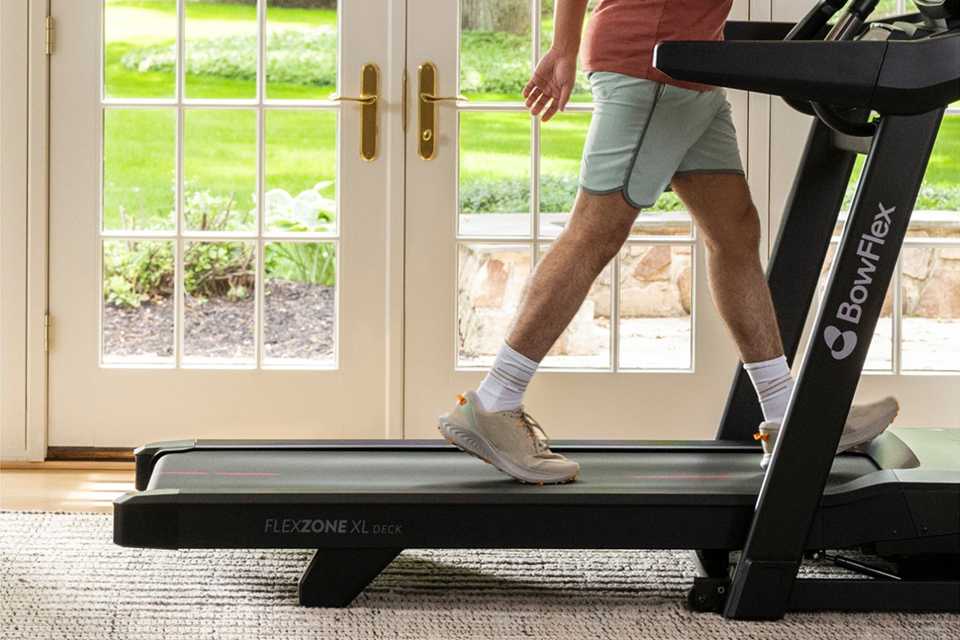
A treadmill is a big investment and ultimately comes down to room. Where will it sit in your home? Make sure you measure the space first, so you know it’ll easily fit. If you don’t want your treadmill permanently on display, opt for a handy folding model.
Consider the treadmill belt siz
- Generally, a 100-125cm belt length is ideal for walkers
- Around 140cm belt length is ideal for runners under 6 ft
- Runners over 6 ft would need a treadmill belt length of at least 150cm
What are the best features of a treadmill?
Tracking your progress
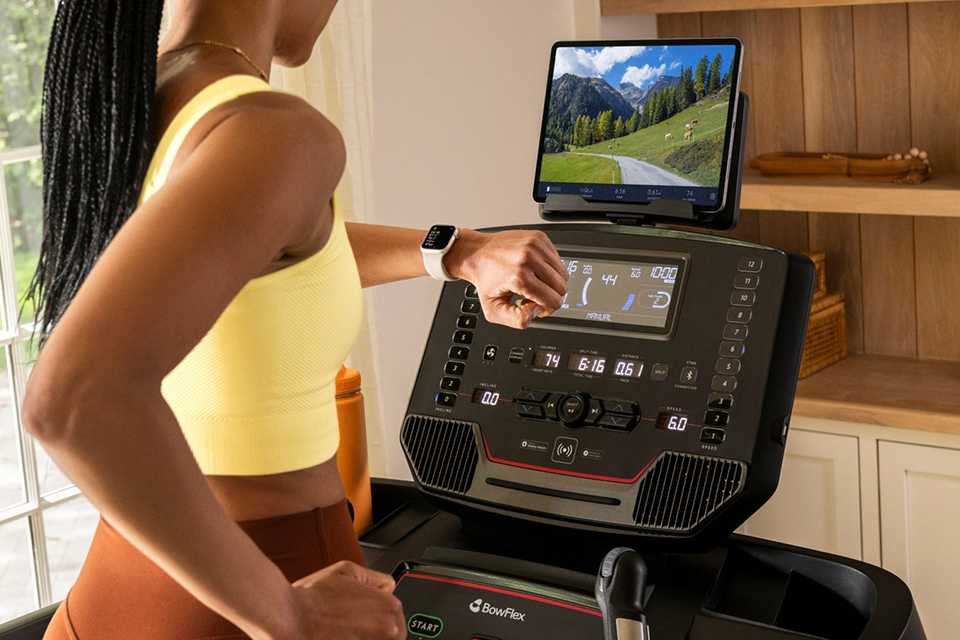
All treadmills will monitor your basic cardio fitness such as speed, time and calories. The variety of these functions will vary depending on the model or design you choose.Here are some of the best treatmill features to look out for:
- Up to 12 levels of incline – great for training
- Selection of pre-set training programmes
- Built-in speakers to easily connect your playlist
- Choose between battery or mains powered models
- Records your speed, time, distance, calories and heart-rate
- Many models now have an auto-stop safety system


Setting up a treadmill
Ready. Set. Go!
Watch how easy it is to get to grips with your treadmill. Use the in-built functions to improve your fitness and monitor your heart-rate. And once you’re done, make some space by neatly folding your treadmill away.
Treadmills vs running outside

Which is better for me?
Neither is 'better' than the other as they both have their pros and cons. So it ultimately comes down to personal preference.
Outdoor running:
- It’s free
- You can run wherever you are
- It's good training for road races or fun runs
Treadmill running:
- Easier on the joints due to the padded surface
- You’re not affected by weather
- You can run at any time without worrying about safety risks
Try both to see which you prefer and what works best for your body. Or why not try a combination of both?
Workout essentials
Kicking off your cardio session? Don't forget your workout essentials before you get on that treadmill. Start with the right activewear that allows you to move freely and safely. Keep a water bottle and a towel handy so you're hydrated and feeling fresh throughout the workout.


FAQs
What are the different types of treadmills?
The two main types of treadmills are manual and motorised. A manual treadmill is self-powered, requiring the user to walk or run to move the belt. The motorised treadmills further have different types that include programmable treadmills allowing you to control speed and incline, folding treadmills that are easy to store, smart treadmills with Wi-Fi or Bluetooth connectivity that syncs with your fitness apps.
What is the difference between a treadmill and a walking pad?
A walking pad is a basic version of a treadmill built for walking and light jogging. It often has a low-speed setting, not crossing 15 mph. Walking pads are also often more light weight and foldable - easy to transport and store.
Which treadmill is the best for home use?
It all depends on your cardio goals and space. For more compact homes, folding treadmills are smart, space-savvy options that don’t compromise on functionality or convenience.
Are foldaway treadmills any good?
Foldaway treadmills are great picks for people who want compact running machines for home. These are portable and easy to tuck away when not being used.
What is the auto incline on a treadmill?
Auto incline on a treadmill allows you to automatically change or adjust the incline by using a pre-programmable feature or a button on console while a manual incline treadmill would require you to adjust it manually using a knob or a lever.
What does a Bluetooth treadmill do?
A Bluetooth connected treadmill provides you with a lot of smart features such as ability to sync your fitness apps to the treadmill, streaming music, workout analysis and planning, interactive workout routines etc.
Our delivery service
If your treadmill weighs over 79kg, you'll need to fill out a delivery survey after you've placed your order. This is to make sure our delivery team will be able to successfully deliver your new treadmill. Watch the video below to find out more.
Heavy and bulky item delivery
To ensure your delivery and installation goes smoothly, we’ve put together a short video to walk you through the process, step by step. It’s really important that these steps are met otherwise we may not be able to deliver your new purchase to your home.
Before you order
- Make sure the appliance will fit in your chosen space
- Check access points are wide enough to accommodate the delivery
Preparing for your delivery
- Fill out our installation survey and let us know of any access issues
- Check that the plug sockets are easily accessible
On the day of delivery
- Clear the installation area of any clutter or obstacles
- Make sure a responsible adult will be home to receive the delivery
Discover more inspiration
Carousel
Why buy at Argos?
You can now collect and spend Nectar points when you shop at Argos