
Ultimate guide to engagement and wedding rings
Discover the different types of rings for every occasion, learn about styles and stone cuts, and find your size with our ring guide.
&poi={$this.metadata.pointOfInterest.x},{$this.metadata.pointOfInterest.y},{$this.metadata.pointOfInterest.w},{$this.metadata.pointOfInterest.h}&scaleFit={($this.metadata.pointOfInterest.x>0)?$sfpoi:$sfcenter}&sm=aspect&aspect=3:2&sfcenter=center&sfpoi=poi&qlt=50&fmt=auto&noiser=0&fmt.jpeg.interlaced=true&fmt.jp2.qlt=40&)
What type of ring are you shopping for?
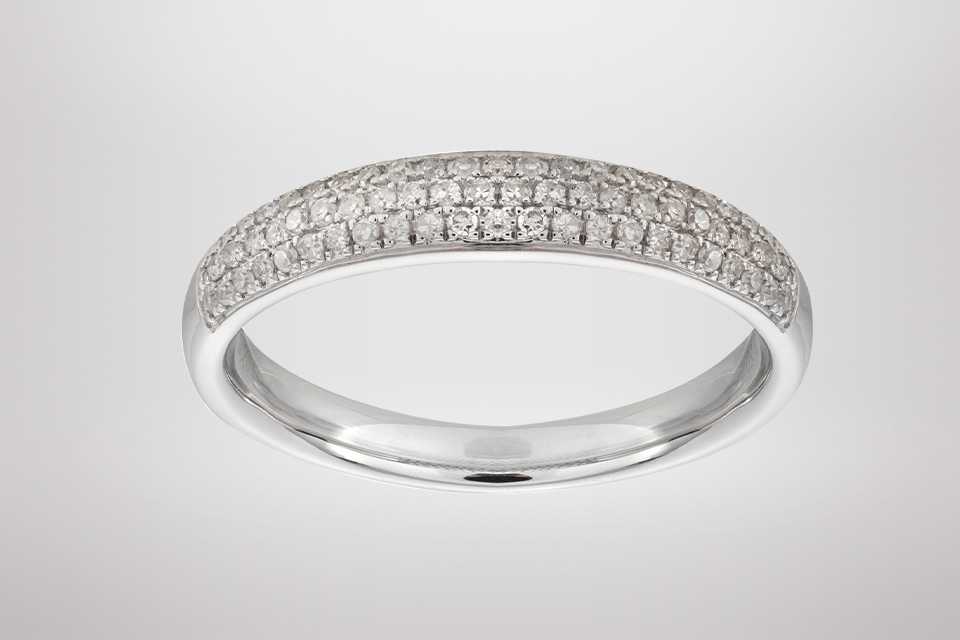
Women's rings
Carousel
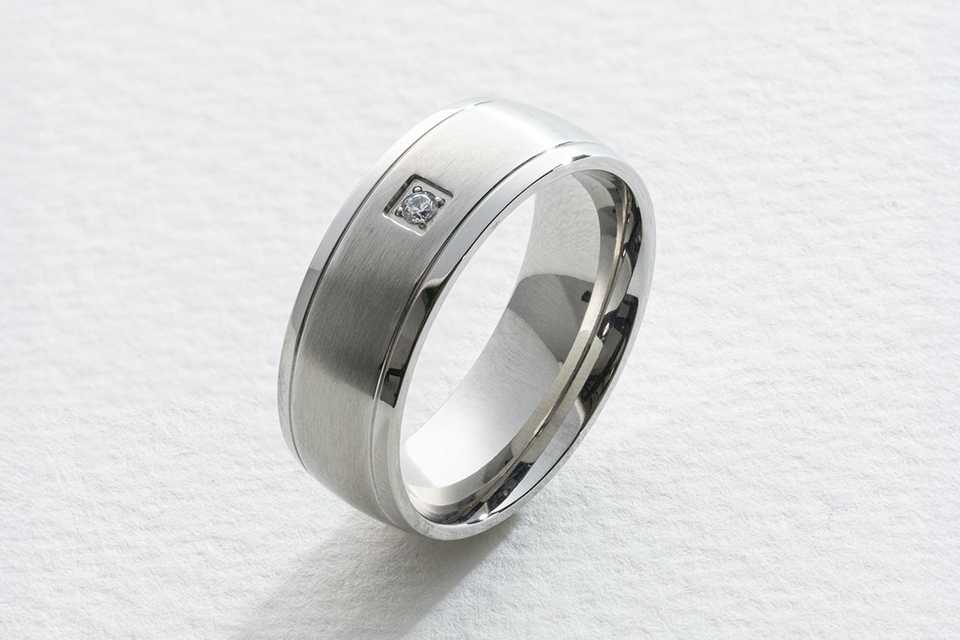
Men's rings
Carousel
Eternity rings
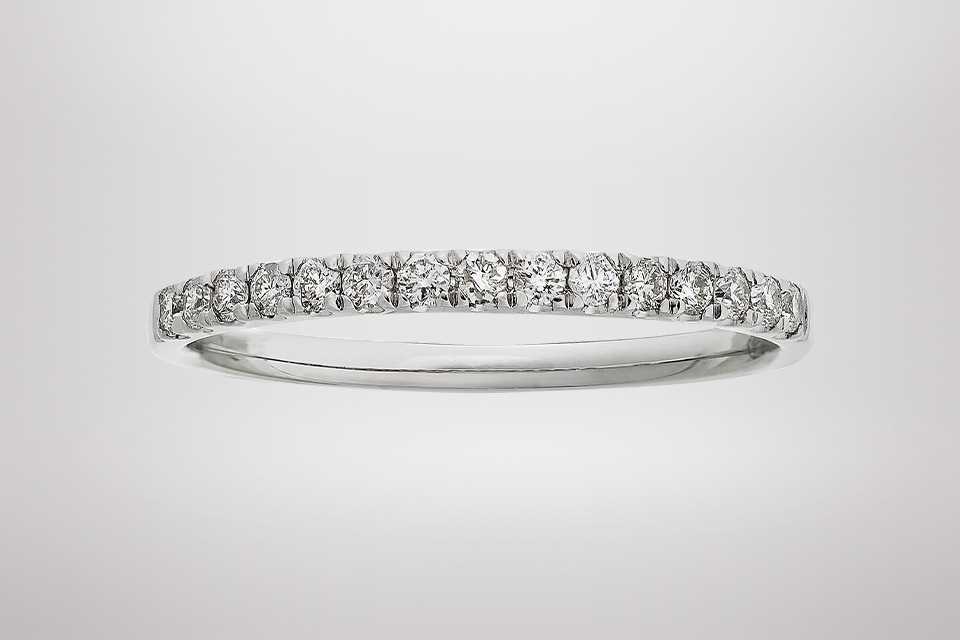
Also known as diamond set bands or half eternity bands, these precious pieces mark major relationship milestones.
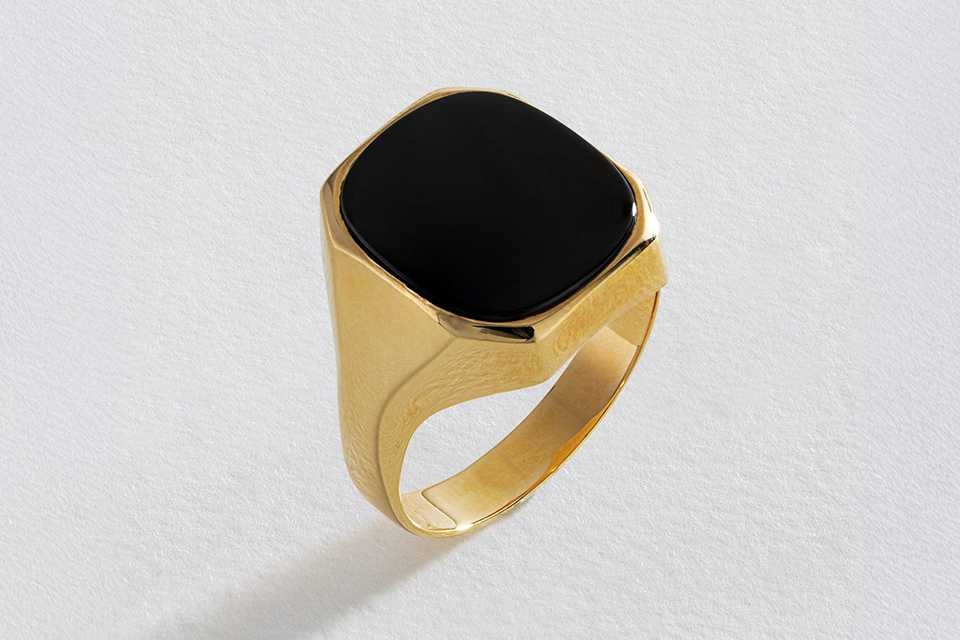
Dress and fashion rings
Want to make a statement? Go for stunning dress and fashion rings that are perfect for special occasions. And if you're gifting a loved one, try personalised rings for something that's unique and memorable.
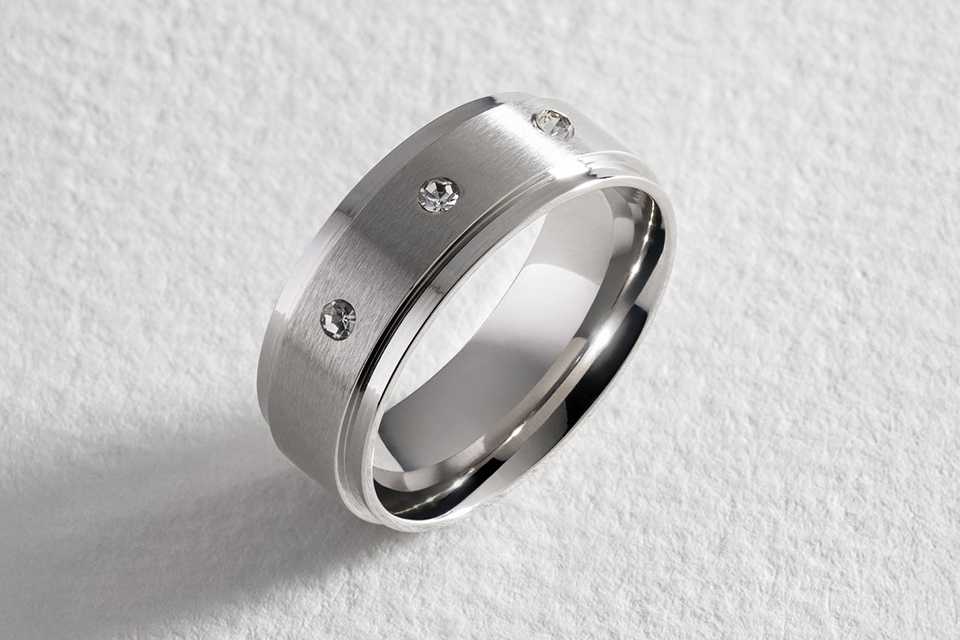


Choosing the perfect engagement ring
Step 1: How much should I spend on an engagement ring?
Generally, there's no right answer. It's not all about the price tag - the most important thing is the love it symbolises. How much you spend is always at your discretion. Start by having a budget in mind and then go from there.


Step 2: How do I pick a ring style?
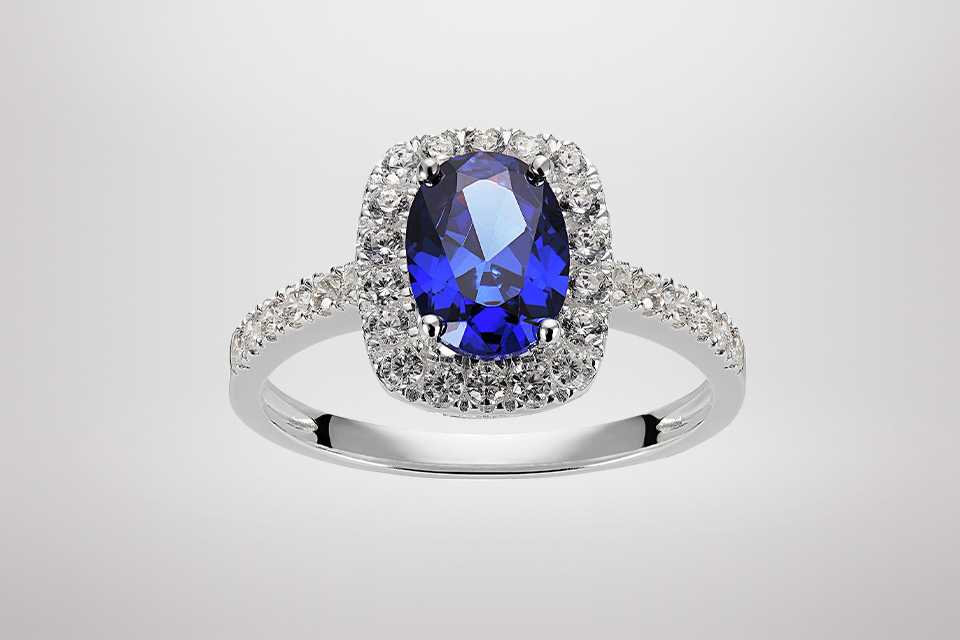
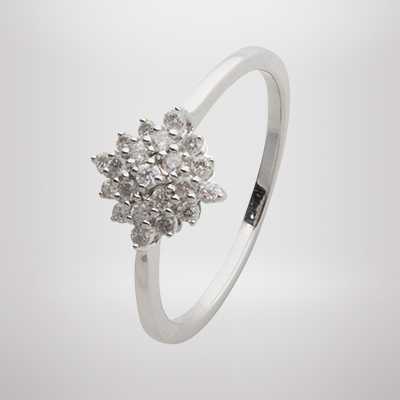
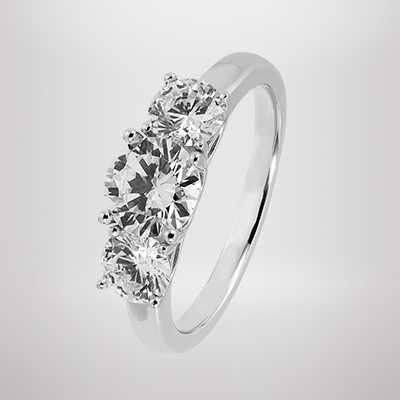
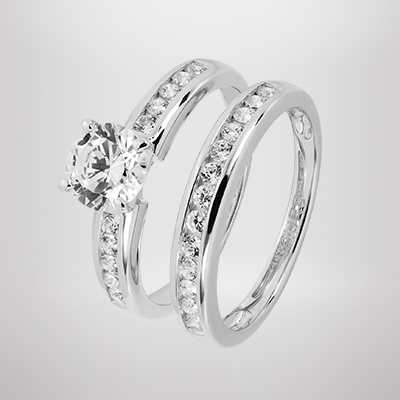
Ring styles are just as important as the stones featured on them. Choose based on your partner's preferences and tastes to pick a ring that they'll love. Solitaire rings are a timeless classic. For a similar elegance with a touch of contemporary, go for a halo ring. Try cluster rings or trilogy styles for a glamorous look.
Slider Grid
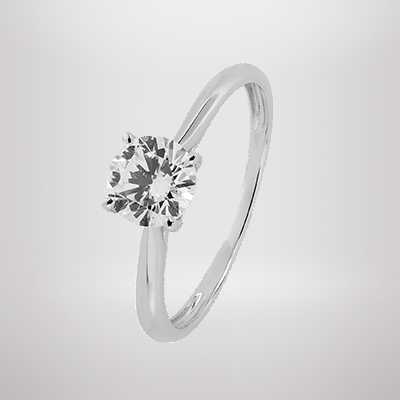
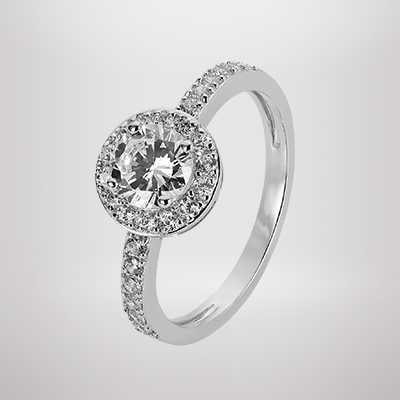
Step 3: Selecting the best stone shape
Also known as stone cuts, stone shapes come in a variety of forms. Pick the one you think suits them best - from traditional round or oval shapes and elegant cushion or pear styles (named after the shapes they match in appearance). For something unique, explore slightly fancier and feminine heart and princess cuts.


Step 4: Choosing the metal for your ring


Step 5: Choose the stone type
The classic and most popular pick for engagement rings has always been the diamond. However, there are alternatives such as cubic zirconia and lab‑grown diamonds. Lab‑grown diamonds have the same composition as natural diamonds but are created in a laboratory, making them more affordable. Fancy something different? Try gemstone rings with other stylish stones like rubies and sapphires that are sure to stand out and turn heads.
Shop rings by stone type


Things to consider when buying a ring
Quality - The 4 Cs of diamonds
- Cut: This relates to how the diamond is shaped and affects how light can pass through it in different ways, resulting in the sparkling finish.
- Colour & Clarity: These are natural characteristics of diamonds and higher ranking ones have little to no imperfections, making them look clear. Stones with only slight imperfections can still appear flawless-looking to the naked eye and are a great, affordable choice.
- Carat: This does not have as much of an impact on the stone's appearance and is just a marker of its weight. One or two-carat rings are popular as engagement rings.
How to measure ring size
Trying a ring on in person will always be the ultimate test to find a comfortable size, but you can get a good idea of sizing using either of these methods:
Carousel
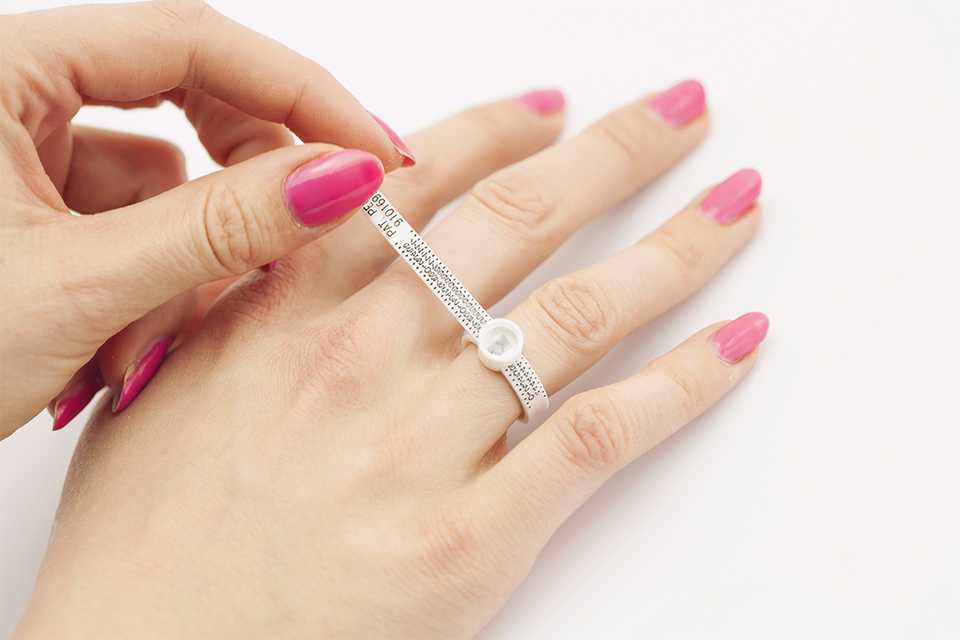
Measure your finger
Fingers can change size a little throughout the day, so measure them at their biggest. To do this, take the measurement in the evening and make sure your fingers aren't cold.
- Decide which finger the ring will be worn on and grab a length of string, a felt tip pen and a ruler.
- Wrap the string around the base of your finger. Make sure it's snug but not too tight - you're aiming to replicate a comfortable ring fitting.
- Using the pen, make a mark where the string crosses over.
- Use the ruler to measure the marked length of string in mm.
- You now have the circumference of your finger. Find your measurement on our size list PDF to get your approximate ring size.
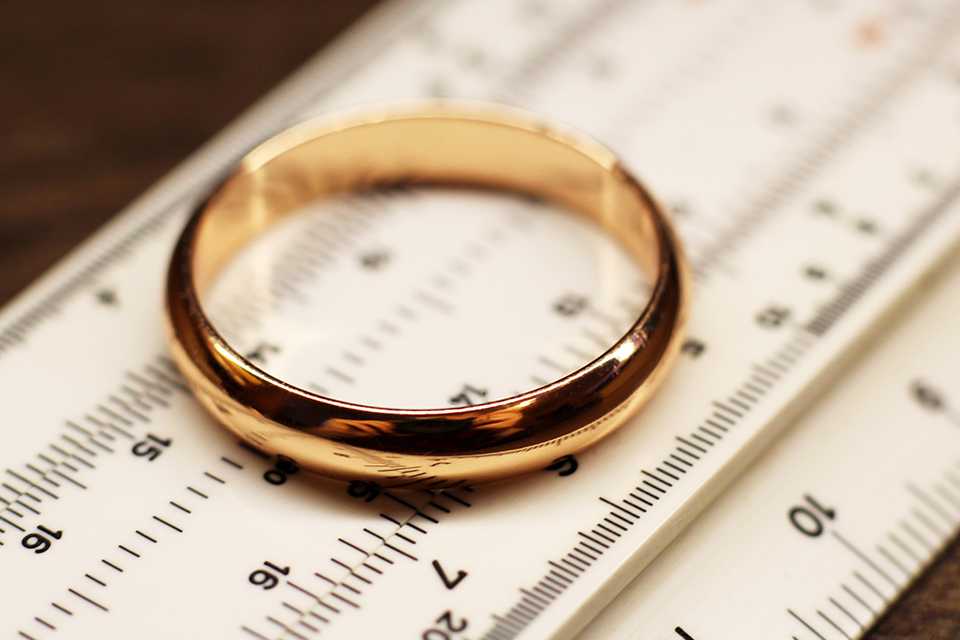
Measure with an existing ring
Already have a comfortably fitting ring but not sure what size it is? Here's how to find out:
- Try our printable ring size chart for an easy sizing PDF. Follow the instructions on the page to find out the size.
- Don't have access to a printer? Grab a ruler and measure the diameter of the ring (its widest part) in mm. Make sure the ring fits the same finger you are shopping for.
- Find the diameter on our size list below to get the approximate ring size.


Understanding ring sizes

Ring size conversion
As is standard across most jewellers, we specify ring size with an alphabetical letter. Most of our range is available in sizes H through to V, although some rings may only be available in the most popular sizes. If you don't know what letter you need, you can find out below using the circumference of your finger or the diameter of an existing ring that fits.
Ring size chart
Compare the diameter of an existing ring or finger circumference to find the right ring size with our ring size conversion chart below.
| Existing ring diameter | Finger circumference | Ring size |
|---|---|---|
14.88mm | 46.80mm | |
15.90mm | 50.00mm | |
17.12mm | 53.80mm | |
18.34mm | 57.60mm | |
19.56mm | 61.40mm |
Caring for your ring
Carousel
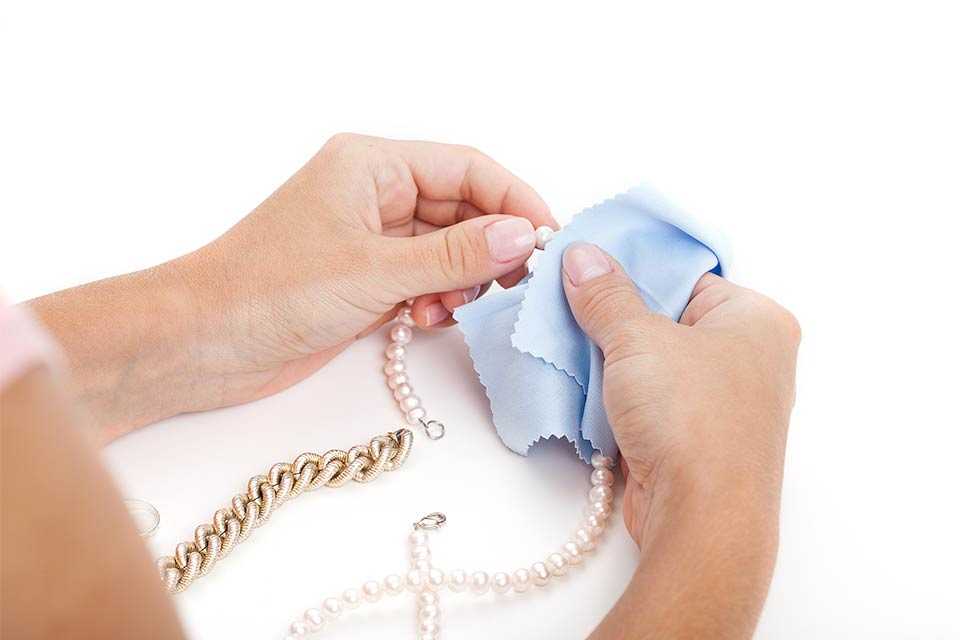
Jewellery cleaning kits
Discover all you'll need for jewellery maintenance, including cleaning solutions and microfibre cloths.

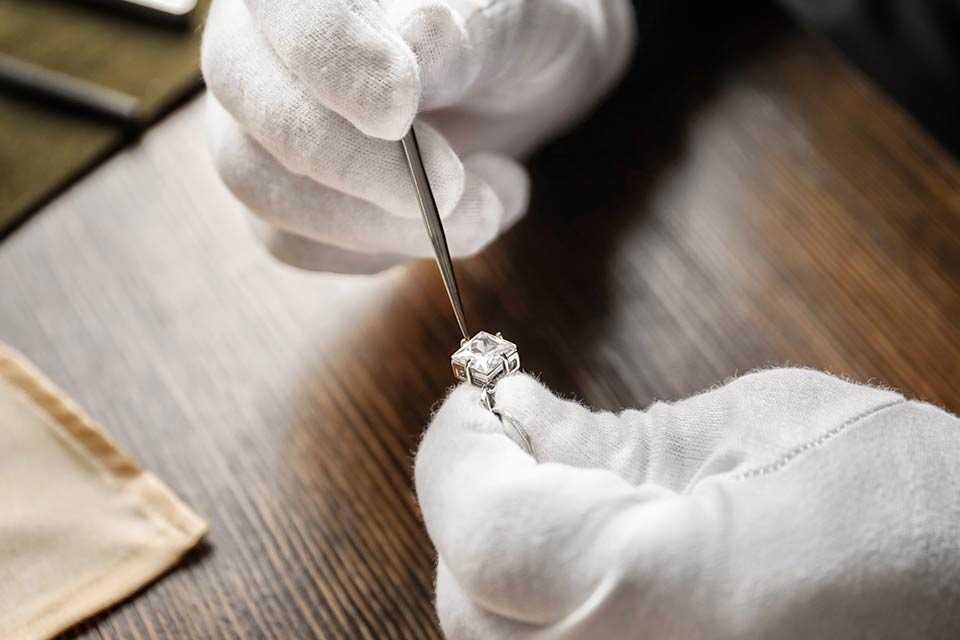
If it doesn't fit
Even if you have carefully tried to work out what size ring you need, there's still a chance the ring won't fit exactly as you want it to. If this happens, don't panic. You can easily take it back into any Argos store within 30 days of purchase and exchange the ring for a different size.
For diamond rings, they will need to be sent off for verification with the original size tag on it before they can be exchanged, so you would not be able to get the new ring straight away.
FAQs about engagement and wedding rings, and diamonds
What do you need to know before buying a ring?
The most important things to understand before buying an engagement ring or wedding band are:
- Budget: Decide a number before you start comparing ring types or diamond cut rings.
- Ring size: Make sure you have the correct size to avoid any resizing later.
- Metal choice: There are many types available, such as platinum, white gold, yellow gold, and rose gold. Each offers different durability and style.
- Wedding ring shapes & stone shapes: Choose from round, oval, emerald, pear, cushion, and marquise. Every shape creates different looks and levels of sparkle.
- Lifestyle: Choose a lower‑profile setting or a sturdier ring, if you have an active lifestyle.
- Partner’s style: Look at your partner's jewellery preferences to understand whether they like minimalist, vintage, modern, or bold designs.
Understanding these basics makes buying a ring far less overwhelming.
What is the 3-month rule for rings?
The “three‑month rule” is an old marketing idea suggesting you should spend three months’ salary on an engagement ring. Today, most people ignore it. Many couples choose a ring based on their personal budget, priorities, and the type of ring they actually want. There’s no financial rule you're required to follow.
What are the 4 C's of ring buying?
The 4 C's help you judge the quality of the diamonds in your ring when comparing diamond cut rings or different wedding ring shapes. Here are the 4 C's.
Cut: The most important C. It affects how the diamond sparkles.
Colour: How white or tinted the diamond appears.
Clarity: How free the stone is from internal or external flaws.
Carat: The weight (size) of the diamond.
These standards apply when you’re choosing natural or lab‑grown diamonds.
Is a 3 carat diamond too big for an engagement ring?
A 3‑carat diamond is large, but whether it’s too big depends on:
- Personal taste
- Finger size
- Band style
- The diamond cut (some shapes look larger than others)
For someone who loves bold sparkle, a 3‑carat stone is perfect. For someone who prefers subtle elegance, a smaller carat weight may feel more comfortable. There’s no wrong choice.
What makes an engagement ring classy?
Classy rings focus on refined design, not excessive decoration or trends. A ring looks classy when it has stone shapes like round, oval, or emerald with a high‑quality cut that gives a clean, bright sparkle. It has a simple setting such as solitaire, bezel, or a thin pavé band.
How long before an engagement should you buy a ring?
Most people buy the ring 1–3 months before the proposal. This allows time for custom designs, sizing, shipping, and any adjustments or changes. If you’re choosing unique ring types or custom wedding band styles, buying earlier is even better.
What is a lab-grown diamond?
Also known as a synthetic diamond, a lab‑grown diamond is created in a laboratory as opposed to being mined from the earth. Both lab-grown and natural diamonds look the same, share the same structure, and the same sparkle. However, there is a visible difference between the cost of these diamonds. Lab‑grown diamonds are often more affordable, making them popular for people buying engagement rings on a budget.