
How to prepare your garden for winter
Tidy your garden and get it winter ready by clearing your space, protecting your furniture and ensuring your plants are ready before the cold weather arrives.
Shop all garden and DIY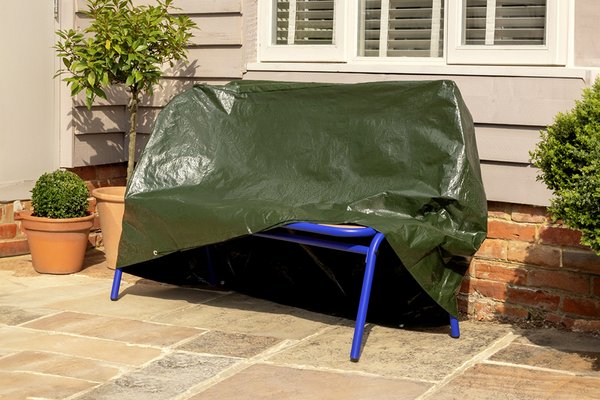&poi={$this.metadata.pointOfInterest.x},{$this.metadata.pointOfInterest.y},{$this.metadata.pointOfInterest.w},{$this.metadata.pointOfInterest.h}&scaleFit={($this.metadata.pointOfInterest.x>0)?$sfpoi:$sfcenter}&sm=aspect&aspect=3:2&sfcenter=center&sfpoi=poi&qlt=50&fmt=auto&noiser=0&fmt.jpeg.interlaced=true&fmt.jp2.qlt=40&)
By Kirsty Hudson | Date published: August 2026
A few well-timed autumn garden jobs can make your outdoor space easier to look after through winter and simpler to enjoy again in spring. From clearing leaves to storing cushions, tools and toys, this guide will help you work through the essentials without trying to do everything at once.
Quick answer: how to prepare your garden for winter
Start by clearing fallen leaves and putting away loose items that could move in strong winds. Clean and dry garden furniture, tools, BBQs and outdoor toys before storing or covering them. Check your shed for leaks, organise items off the floor where possible and protect plants according to their individual needs.
Work through the jobs in stages during autumn. Prioritise anything affected by an upcoming frost, heavy rain or strong wind, and always follow the care instructions supplied with your products and plants.
Your winter garden checklist
Use this checklist to plan your autumn garden tidy-up:
- Remove fallen leaves and garden debris from paths, patios, lawns and beds.
- Clear and repair gutters and drains where you can do so safely before rains occur.
- Put away lightweight furniture, toys and accessories.
- Clean and dry garden furniture before covering or storing it.
- Store cushions and other soft furnishings somewhere dry.
- Clean and dry garden tools before placing them in storage.
- Check your shed roof, doors, windows and ventilation for leaks.
- Clean your BBQ thoroughly and follow its storage instructions.
- Drain and store hoses appropriately.
- Check which plants and pots may need seasonal protection.
- Look for loose fencing, trellis or garden structures and make necessary repairs.
- Check the weather forecast before tackling outdoor jobs.
Strong winds can move unsecured garden furniture, trampolines and toys, so these items should be stored or secured when severe weather is forecast. The Met Office have some tips to preparing your property for winter.
When should you prepare your garden for winter?
Early to mid-autumn is a good time to begin. Start while the weather is still mild enough for cleaning and drying items outdoors. You can then deal with more weather-sensitive jobs as the first frosts approach.
There is no set date that suits every garden. Weather conditions vary across the UK, and sheltered urban gardens may experience different temperatures from exposed or rural spaces. Keep an eye on local forecasts and focus first on loose items, tender plants and anything that needs time to dry before storage.
RHS guidance recommends putting protective plant coverings in place at the first sign of frost, rather than relying on a fixed date.
Clear leaves, paths and patios
Regularly remove wet leaves from paths, steps and patios. They can hide uneven surfaces and make areas slippery. Use a suitable outdoor broom, rake or leaf blower, depending on the surface and the size of your garden.
You do not need to remove every leaf from the garden. Leaves can provide useful habitat in suitable, undisturbed areas, but they are best cleared from places where people walk, from lawns where heavy layers may block light, and from drains where they may cause a blockage.
Before cleaning your patio, sweep away loose dirt and check the condition of the paving. Look for damaged slabs, loose edges or joints that may need attention.
Should you pressure-wash a patio before winter?
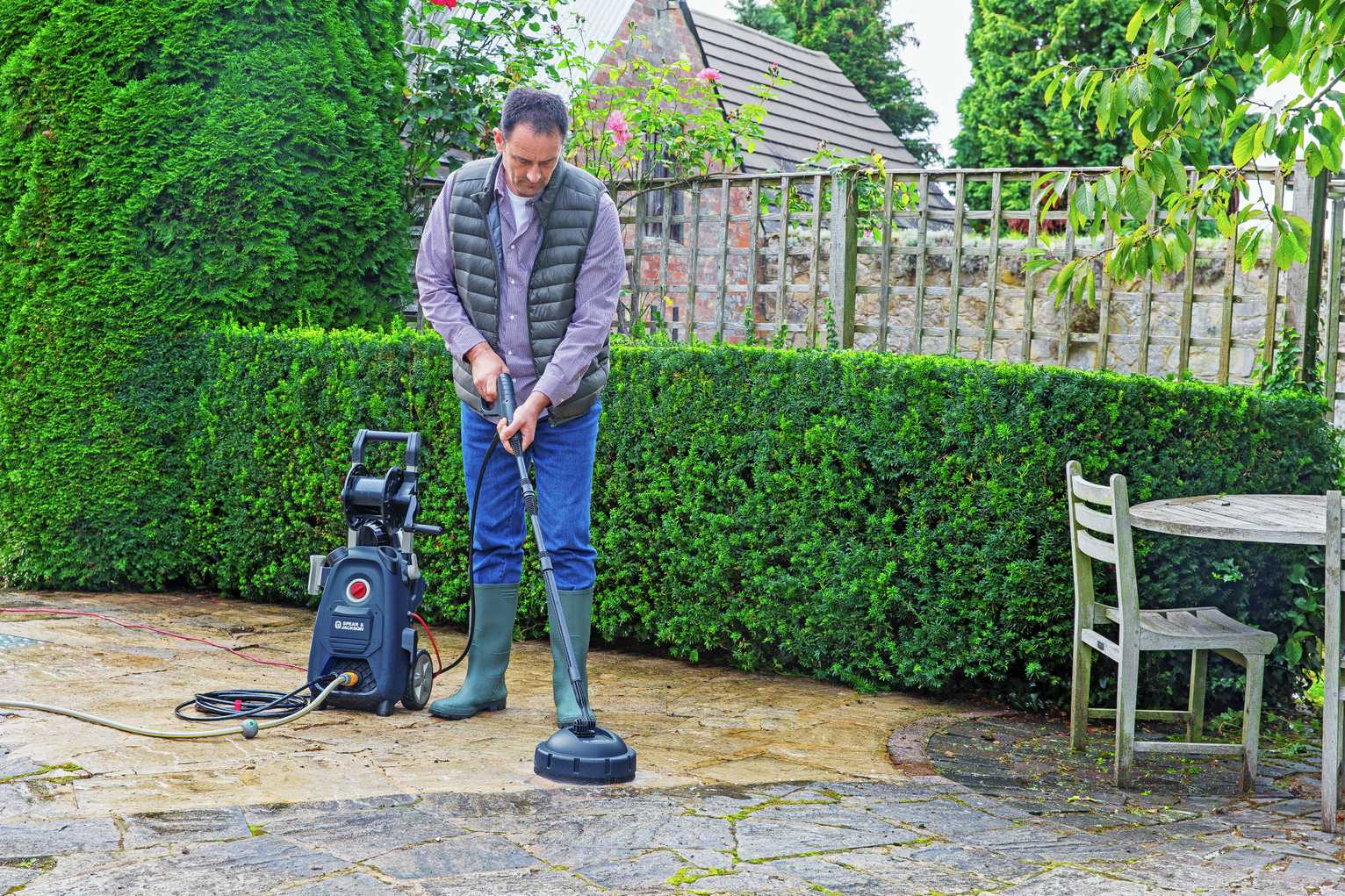
A pressure washer is a great way to keep your patio, paths or decks clean, but aren’t suitable for all surfaces, so check before use. Follow your pressure washer instructions and any guidance supplied with the paving or decking before you begin. Use the correct attachment and setting, and test a small, less visible area first.
Choose a dry day so the surface has time to drain and dry. Avoid directing water towards doors, air bricks, electrical fittings or damaged areas. If a surface is fragile, loose or already deteriorating, use a gentler cleaning method or seek specialist advice.
Protect garden furniture in winter
The right approach depends on the furniture’s material, construction and manufacturer guidance. Some outdoor furniture is designed to stay outside, while other items are better stored in a shed, garage or covered space.
Before storing or covering furniture:
- Brush off loose dirt.
- Clean as directed.
- Allow to dry fully.
- Remove cushions and other soft accessories.
- Check and tighten fixings where appropriate.
- Use a correctly sized, compatible cover if needed.
Avoid covering furniture while it’s damp as trapped moisture can encourage staining, unpleasant smells or deterioration. A fitted cover should be secured properly and used according to its instructions.
How to store garden cushions
Make sure cushions are clean and completely dry. Place them in a dry indoor storage area, shed cupboard or suitable storage container, following their care instructions.
Not all outdoor storage is fully waterproof, so check the product information and inspect the box for gaps or damage before relying on it over winter. Avoid compressing cushions for long periods if this could affect their shape.
Discover our garden storage ideas for help choosing practical storage for your available space.
Clean and store garden tools
Putting tools away clean and dry will help maintain their condition ready for you to use next spring. Remove soil and plant matter from spades, forks, trowels and other hand tools, then allow them to dry before storage.
For powered tools:
- Disconnect or switch off the power source before cleaning and bring removable batteries inside where conditions will be dry and warm.
- Follow the manufacturer’s cleaning and storage instructions.
- Keep electrical items and batteries in the recommended conditions. Some batteries should be stored in the house where temperatures will be warmer.
- Check cables, guards and attachments for visible damage.
- Arrange repairs through an appropriate professional where needed.
Store sharp tools where they will not fall or create an obstruction. Wall hooks, racks and labelled containers can help make better use of a small shed but only use fittings that are suitable for the wall and the weight of the item.
Prepare your shed for winter
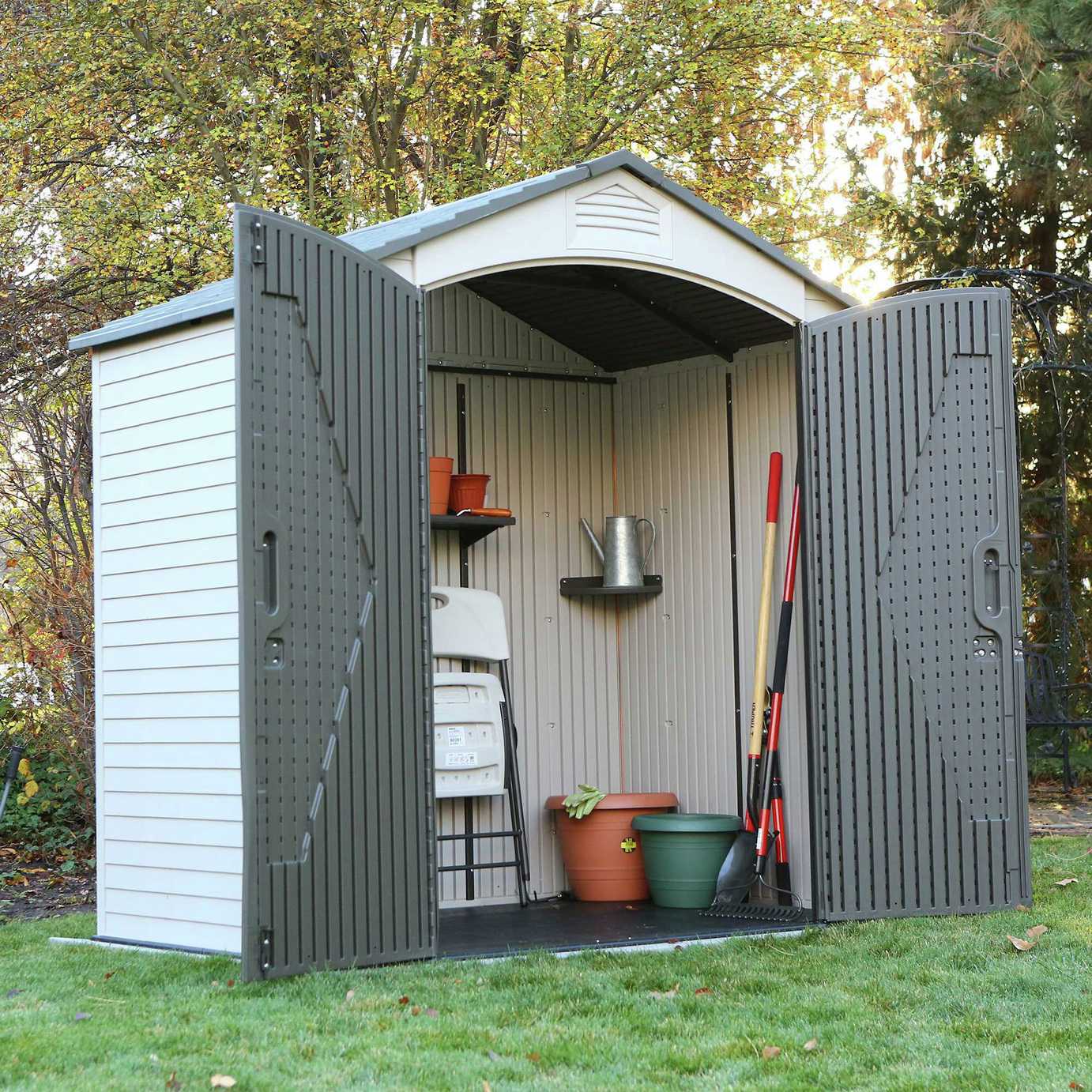
A quick shed check can help you spot small problems before the weather worsens. Look at the roof, windows and doors for gaps, damage or signs of water getting in. Make sure the door closes properly and that any vents aren’t blocked.
Inside the shed you’ll want to prepare it for storage:
- Remove rubbish and unused packaging.
- Keep walking routes clear.
- Place frequently used items within easy reach.
- Store smaller items in labelled containers.
- Keep tools secure and off the floor where practical.
- Bring cans of paint – opened and sealed – inside as cold conditions can affect them.
- Avoid blocking ventilation.
- Follow product instructions for anything affected by cold or damp conditions.
Heavy items are generally easier to manage when stored low down. Don't overload shelves or hooks and check their weight limits before use.
Store your BBQ for winter
Wait until your BBQ is completely cool before cleaning or moving it. Follow the manufacturer’s instructions for cleaning, dismantling, covering and winter storage, as requirements vary between charcoal, gas and electric models.
Remove food residue and dirt, then allow all parts to dry before the BBQ is covered or stored. Use a compatible cover if the model is designed to remain outside, and make sure the cover is secured.
Fuel and gas components need particular care. Follow the manufacturer’s instructions and relevant supplier guidance for their safe handling and storage. Never store fuel or gas cylinders somewhere that the product instructions say is unsuitable.
If you’re considering a new model for next season, our guide to choosing a BBQ explains the main types and features.
Put away outdoor toys and play equipment
Clean and dry outdoor toys before storing them, so they’re nice and clean and in top conditions for your little ones to enjoy next year. Smaller plastic toys, water tables, balls and ride-ons can be grouped in clearly labelled storage boxes so they are easy to find again.
Check items for cracks, missing parts or visible damage and make minor repairs where practical. Anything too far damaged could be recycled or upcycled into something new. Follow the manufacturer’s instructions for dismantling or storing larger products.
Before the winter weather hits and the strong winds cause disruption, we recommend:
- Put away loose toys and accessories.
- Remove detachable parts where instructed.
- Secure larger equipment according to its manual.
- Check covers and anchors for visible wear.
Do not place damp toys into tightly closed containers. Let them dry first to help prevent smells and staining.
Protect plants and pots from colder weather
Different plants need different levels of winter protection, so check the plant label or seek reliable gardening guidance for the varieties in your garden. Tender plants may need to be moved to a sheltered place or protected when frost is expected.
Depending on the plant and local conditions, winter preparation may include:
- Moving containers to a more sheltered position, or inside a greenhouse if you have one.
- Protecting suitable plants with horticultural fleece.
- Adding mulch around appropriate plants.
- Raising pots where drainage is a concern.
- Checking that containers are suitable for outdoor winter use.
- Securing tall or exposed plants where support is needed.
Cold, wet and windy weather can affect plants and garden structures. Tailoring protection to the plant, its position and the local conditions is more useful than applying one approach to every garden. The RHS have guidance on protecting plants from winter damage and frost damage.
FAQs about preparing your garden for winter
When should I start preparing my garden for winter?
Start in early to mid-autumn while there are still mild, dry days for cleaning furniture, tools and outdoor equipment. Work through the jobs gradually and prioritise loose items before windy weather. Plants may need attention closer to the first frost, depending on the variety and your local conditions. Check weather forecasts rather than relying on one fixed date, as conditions vary across the UK. Keep checking covers, structures and stored items throughout winter.
What garden furniture can be left outside in winter?
This depends on the material, construction and care instructions supplied with the furniture. Some outdoor sets are designed to stay outside with a compatible cover, while others should be moved into a shed, garage or sheltered space. Clean and dry the furniture before covering it, remove cushions and secure the cover properly. If you are unsure, check the product manual or manufacturer guidance rather than relying on the furniture’s appearance alone.
Should garden furniture be covered over winter?
A compatible cover may help protect furniture that is designed to remain outdoors, but it should be used according to the manufacturer’s instructions. Make sure the furniture is clean and completely dry before fitting the cover and secure it so it cannot lift in strong winds. Check periodically for trapped water or damage. Some furniture may be better stored indoors, so refer to its care information before deciding.
How should I store garden tools over winter?
Remove soil and plant matter from garden tools, then let them dry before putting them away. Store sharp or heavy tools securely so they cannot fall or block a walkway. Follow the manufacturer’s instructions for powered tools, batteries and electrical equipment, as storage requirements can vary. Wall racks, hooks and labelled containers can help organise a small shed, provided the fittings and shelves are suitable for the weight they need to support.
Can a BBQ be left outside during winter?
Some BBQs can remain outside with a suitable, properly secured cover, while others are better stored in a dry and sheltered location. Check the instructions for your specific model. Make sure the BBQ is completely cool, clean and dry before covering or moving it. Follow all supplied guidance for gas cylinders, fuel, batteries or electrical parts, as these may have separate storage requirements. Do not store them somewhere the product guidance identifies as unsuitable.
What should I do with fallen autumn leaves?
Clear wet leaves from paths, steps, patios, lawns and drains where they could cause a blockage, cover the grass or make walking surfaces slippery. Use a rake, outdoor broom or suitable leaf blower. You do not need to remove every leaf from the whole garden. Leaves can be left in suitable undisturbed areas or composted where appropriate. Avoid placing diseased plant material in home compost unless reliable gardening guidance confirms it is suitable.