

How carbon monoxide detectors work
Learn how carbon monoxide detectors work, the key features to look for when choosing one, and simple maintenance steps that help keep them performing at their best.
Shop all carbon monoxide detectors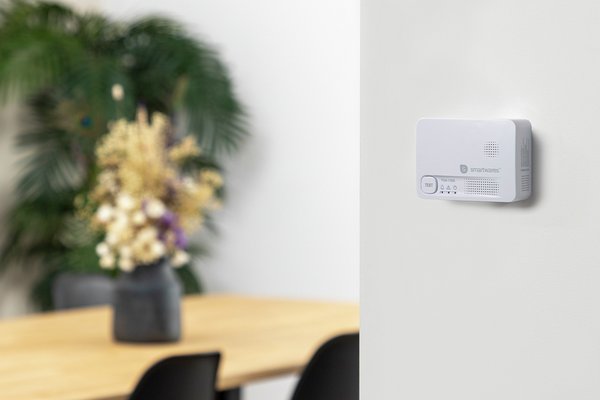&poi={$this.metadata.pointOfInterest.x},{$this.metadata.pointOfInterest.y},{$this.metadata.pointOfInterest.w},{$this.metadata.pointOfInterest.h}&scaleFit={($this.metadata.pointOfInterest.x>0)?$sfpoi:$sfcenter}&sm=aspect&aspect=3:2&sfcenter=center&sfpoi=poi&qlt=50&fmt=auto&noiser=0&fmt.jpeg.interlaced=true&fmt.jp2.qlt=40&)
By Kirsty Hudson | Last edited: August 2026
Carbon monoxide detectors provide an early warning of dangerous CO gas levels in your home. This guide explains how they work, what triggers the alarm, and why they are an essential safety device for homes with fuel-burning appliances.
What is carbon monoxide?
Carbon monoxide (CO) is a gas that is produced when fuels such as gas, oil, wood, coal or petrol burn. It is often created by everyday appliances like boilers, gas cookers, fireplaces and wood-burning stoves.
What makes carbon monoxide dangerous is that you cannot see it, smell it or taste it. Without a carbon monoxide detector, it can be difficult to know when the gas is present in your home. This is why CO is sometimes called the "silent hazard."
A carbon monoxide detector helps by monitoring the air and alerting you if CO levels become too high, giving you an early warning so you can take action quickly.
What is the difference between CO and CO₂?
Although their names look similar, carbon monoxide (CO) and carbon dioxide (CO₂) are two different gases with different properties and effects.
- Carbon monoxide (CO) is produced when fuels such as gas, wood, coal or oil do not burn completely. It is a poisonous gas that cannot be seen, smelled or tasted, which is why carbon monoxide detectors are used to detect it.
- Carbon dioxide (CO₂) is a naturally occurring gas that people and animals breathe out. It is also produced when fuels burn. In normal amounts, CO₂ is not harmful, but high concentrations can affect air quality and make indoor spaces feel stuffy.
The key difference is that carbon monoxide is toxic and can be dangerous even at relatively low levels, while carbon dioxide is a normal part of the air we breathe and is only a concern when it builds up in very high concentrations. Because CO cannot be detected by human senses, a carbon monoxide alarm is an important safety device in homes with fuel-burning appliances.
How does a carbon monoxide detector work?
A carbon monoxide detector continuously monitors the air for carbon monoxide (CO) gas. Inside the device is a sensor that measures CO levels over time. If the amount of CO in the air reaches an unsafe level, the detector sounds an alarm to alert you.
Most detectors work around the clock and can identify both sudden increases and longer-term buildups of carbon monoxide. Many models also include useful features such as digital displays, test buttons and low-battery warnings.
It's important to note that a carbon monoxide detector only detects carbon monoxide gas. It does not detect smoke, fire, natural gas leaks or carbon dioxide (CO₂) unless it is specifically designed to do so.
What features should you look for?
When choosing a model, consider the following options to help you find one that suits your home and lifestyle:
- Loud audible alarm: A clear, loud alarm helps ensure you can hear the warning from other rooms or while asleep.
- Digital display: Some detectors show current or peak CO levels on a screen, making it easy to monitor readings at a glance.
- Battery backup: Models with battery backup can continue operating during a power cut, providing added peace of mind.
- Low-battery warning: This feature alerts you when the batteries need replacing, helping keep the detector operational.
- Test and silence buttons: Test buttons allow you to check that the alarm is working correctly, while silence buttons can temporarily mute non-emergency alerts.
- Portable design: Battery-powered and portable models can be moved easily and may be useful for caravans, holiday homes or temporary accommodation.
- Smart connectivity: Certain detectors can connect to smartphone apps or other smart home devices, allowing you to receive notifications and monitor alarms remotely.
- Combination smoke and CO detection: If you want to save space and reduce the number of devices, consider a unit that combines smoke and carbon monoxide detection in one alarm.
Choosing a detector with the right combination of features can make monitoring, maintenance and day-to-day use much easier, while helping to keep your home protected.
Where should you put a carbon monoxide detector?
Installing a carbon monoxide (CO) detector in the right location is important for reliable detection and early warning. Always follow the manufacturer's instructions for your specific model, as installation requirements can vary. In general, CO alarms are best placed in rooms with fuel-burning appliances or in nearby areas where they can effectively monitor the air.
Do's
- Install a detector in rooms that contain fuel-burning appliances, such as boilers, gas fires, wood-burning stoves or open fireplaces, where recommended by the manufacturer.
- Consider placing detectors in central areas such as hallways or landings to help monitor shared spaces.
- Position an alarm close enough to sleeping areas so it can be heard during the night.
- If you're only installing one detector, place it near bedrooms for the best chance of hearing the alarm while asleep.
- Keep the detector at roughly head height when installed in a room. Depending on the model, it may be wall-mounted, ceiling-mounted or placed on a shelf, table or bookcase.
- Leave enough space around the detector to allow air to circulate freely.
Don'ts
- Don't place the detector directly above, beside or too close to appliances that produce flames or heat, such as cookers, boilers, fireplaces or stoves.
- Don't install the alarm within around one metre of a fuel-burning appliance unless the manufacturer states otherwise.
- Don't place it behind furniture, curtains or other items that could block airflow.
- Don't install it inside cupboards, enclosed spaces or other hidden locations.
- Don't position the detector near windows, external doors, air vents or extractor fans, as moving air can affect how it detects CO.
- Don't place it in areas prone to high moisture or condensation, such as bathrooms, unless the product is specifically designed for those environments.
- Don't ignore test reminders, low-battery alerts or replacement recommendations.
By following the manufacturer's instructions and placing your detector in a recommended location, you can help ensure it monitors your home effectively and provides a clear warning if carbon monoxide is detected.
How do I test and maintain the carbon monoxide detector?
Regular testing and maintenance help ensure your carbon monoxide (CO) detector continues to work properly when you need it most.
Test your detector regularly
- Press the test button at least once a month, or as recommended by the manufacturer, to confirm the alarm and electronics are working correctly.
- Listen for the test alarm and check that any display or indicator lights are functioning as they should be.
- Never test a carbon monoxide detector using a flame, gas appliance or other source of CO.
Keep it clean
- Gently remove dust from the detector using a soft cloth or a vacuum cleaner with a brush attachment.
- Keep vents and sensor openings clear so air can flow freely into the unit.
- Avoid using cleaning sprays, solvents or harsh chemicals directly on the detector.
Check the batteries
- Replace removable batteries whenever the detector gives a low-battery warning.
- If your detector uses a sealed long-life battery, check the manufacturer's guidance for its expected lifespan.
- Never remove batteries unless you are replacing them immediately.
Replace when required
- Carbon monoxide detectors do not last forever. Most models need to be replaced after a certain number of years, depending on the product.
- Check the manufacture date or replacement date marked on the alarm and follow the manufacturer's recommendations.
Avoid common mistakes
- Don't cover the detector or place objects in front of it.
- Don't paint the alarm or tamper with its sensors.
- Don't ignore warning lights, fault indicators or chirping sounds, as these may signal a problem with the detector.
By testing your carbon monoxide detector regularly, keeping it clean, replacing batteries and expired units when needed, you can help ensure it remains ready to provide a warning if carbon monoxide is detected.
What should you do if your carbon monoxide alarm goes off?
If your carbon monoxide (CO) alarm sounds, treat it as a warning that needs immediate attention. Even if nobody feels unwell, it's important to act quickly and safely.
- Stay calm and don't ignore the alarm. It will help you respond safely.
- Turn off fuel-burning appliances including boilers, gas fires, stoves and fireplaces, if possible.
- Open doors and windows to help fresh air circulate through the property.
- Leave the building immediately and make sure everyone in the house, including pets, moves to fresh air.
- Pay attention to how people are feeling. According to the NHS, symptoms such as headaches, dizziness, nausea or unusual tiredness may indicate carbon monoxide exposure.
- Seek medical attention straight away if anyone is experiencing symptoms or if you are concerned about their health.
- Arrange for the source of the problem to be checked by a qualified professional before using fuel-burning appliances again.
- Do not return to the property until you are satisfied it is safe to do so and any necessary checks have been completed.
Check your detector's user manual so you can tell the difference between a genuine CO alarm and warning signals that indicate a low battery or the end of the detector's lifespan.
Other home safety and security essentials
FAQs about carbon monoxide detectors
What does a carbon monoxide detector do?
A carbon monoxide detector monitors the air for carbon monoxide gas. If it detects a build-up at a level that triggers the alarm, it sounds a warning so you can leave the affected area and seek help. Carbon monoxide cannot be seen, smelled or tasted, which is why a working alarm is important if your home has fuel-burning appliances such as boilers, gas fires, wood burners or open fires.
Do I need a carbon monoxide detector?
If your home has a fuel-burning appliance, such as a gas boiler, gas fire, wood-burning stove, open fireplace or oil-fired heating system, it's a good idea to install a carbon monoxide detector. These appliances can produce carbon monoxide (CO) if fuel does not burn properly or if ventilation is restricted. Because carbon monoxide is colourless, odourless and tasteless, a carbon monoxide alarm may be the only way to know that the gas is present in your home. Even if your appliances are regularly serviced, a carbon monoxide detector provides an extra layer of protection and peace of mind.
How many carbon monoxide detectors do I need?
The number of carbon monoxide detectors you'll need depends on the size and layout of your home. As a general guide:
- Install a detector on every level of your home.
- Consider placing a detector in rooms with fuel-burning appliances, following the manufacturer's recommendations.
- Position alarms close to sleeping areas so you can hear them at night.
- If you have a large home, you may benefit from additional detectors to improve coverage.
When deciding where to place carbon monoxide detectors, always refer to the manufacturer's installation instructions, as location requirements may vary between models.
Can a smoke alarm detect carbon monoxide?
A standard smoke alarm does not detect carbon monoxide unless it is specifically designed as a combined smoke and carbon monoxide alarm. Smoke alarms detect signs of fire, while carbon monoxide alarms detect CO gas. If you want one unit that does both, check the product description carefully and make sure it is labelled as a smoke and carbon monoxide alarm.
How often should you replace a carbon monoxide detector?
Some carbon monoxide detectors have a sensor life of around 7 years, while others may last around 10 years. Many include an end-of-life warning to tell you when the unit should be replaced. Always follow the manufacturer’s instructions and replace the alarm if it is damaged, expired or no longer working correctly.
Can you use a travel carbon monoxide detector?
Yes, a travel carbon monoxide detector can be a useful addition when staying in hotels, holiday homes, caravans, or other temporary accommodation. They're compact and are designed to monitor the air for carbon monoxide while you're away from home. However, a travel carbon monoxide alarm should not be considered a replacement for properly installed carbon monoxide detectors in your primary residence. When choosing a portable model, look for a detector that meets recognised safety standards, has a clear audible alarm and is suitable for the type of place you are planning to use it. Always follow the manufacturer's instructions for use, testing and battery maintenance to help ensure the detector operates correctly.


