
Types of chopping boards and their best uses
Chop smarter, prep better! From wooden boards for everyday chopping to stylish serving boards, this guide explains the main chopping board types, best uses, and easy-care tips.
Shop all chopping boards&poi={$this.metadata.pointOfInterest.x},{$this.metadata.pointOfInterest.y},{$this.metadata.pointOfInterest.w},{$this.metadata.pointOfInterest.h}&scaleFit={($this.metadata.pointOfInterest.x>0)?$sfpoi:$sfcenter}&sm=aspect&aspect=3:2&sfcenter=center&sfpoi=poi&qlt=50&fmt=auto&noiser=0&fmt.jpeg.interlaced=true&fmt.jp2.qlt=40&)
By Natasha Taggar | Last edited: July 2026
A chopping board is a kitchen essential you'll use every day. From slicing and dicing to serving, the right chopping board makes every task easier while protecting your worktops from marks and mess. Whether you're looking for wooden, bamboo, plastic or glass chopping boards, or colour-coded options for food preparation, we're here to help. Explore the different types and discover simple tips for keeping them looking their best, so you can choose the right chopping board for your kitchen and needs.
What type of chopping board should I use?
Different chopping board materials suit different kitchen tasks. Some are ideal for everyday prep, some are easier to clean, and others double as attractive serving boards. Our range of chopping boards covers everything from plastic and bamboo chopping boards to glass and granite worktops.
The right choice depends on what you're preparing, how often you cook, and how much storage space you have. Here's a handy table for a quick comparison:
| Chopping board type | Common uses | Things to consider |
|---|---|---|
Wooden chopping board | Bread, cheese, meat, fruit, vegetables and serving | Need hand washing and regular drying. They often need oiling and extra care depending on the product. |
Bamboo chopping board | Everyday chopping, light prep, and serving | Bamboo boards are often lightweight, durable and naturally moisture-resistant. |
Plastic chopping board | Meat, fish, strong-smelling ingredients, and everyday prep | Lightweight, easy to clean and often dishwasher-safe. Needs replacing when heavily scratched or damaged. |
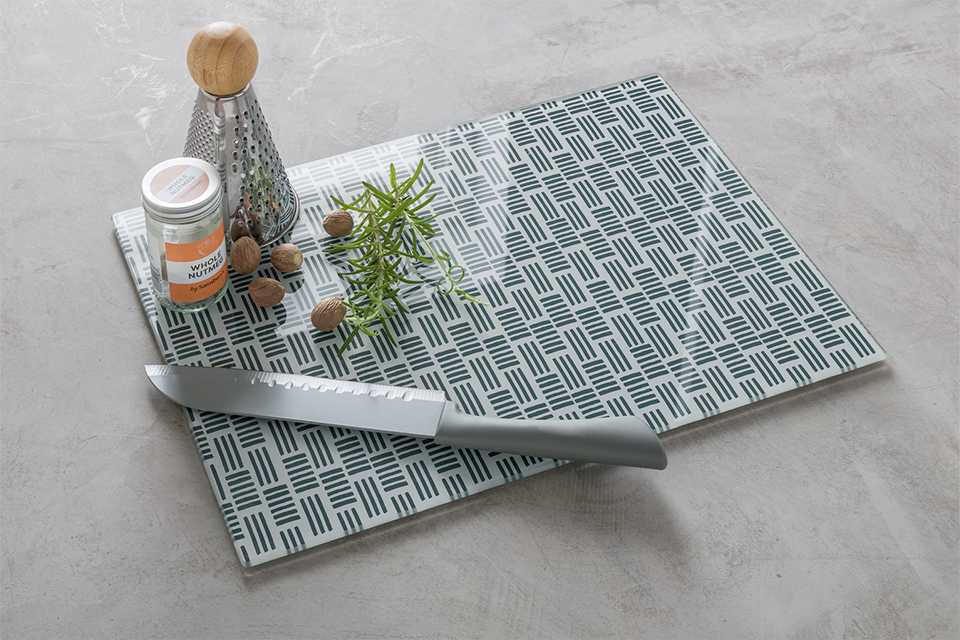
Glass chopping board or worktop saver | Serving as well as light food preparation with added protection to worktops | Smooth, stain-resistant. and easy to wipe clean. Hard surface can dull knife blades quickly and may be slippery when wet. |
Flexible chopping boards | Quick prep, transferring chopped food and separating ingredients | Easy to store and useful in smaller kitchens, but may not feel as sturdy as a thicker board. |
Granite chopping boards | Pastry and dough preparation, chocolate work, cold food preparation, serving and protecting worktops | Heavy to move and store. Easy to clean and care for but can dull knife edges more quickly than other types. |
Deep dive into different types of chopping boards
Wooden chopping boards
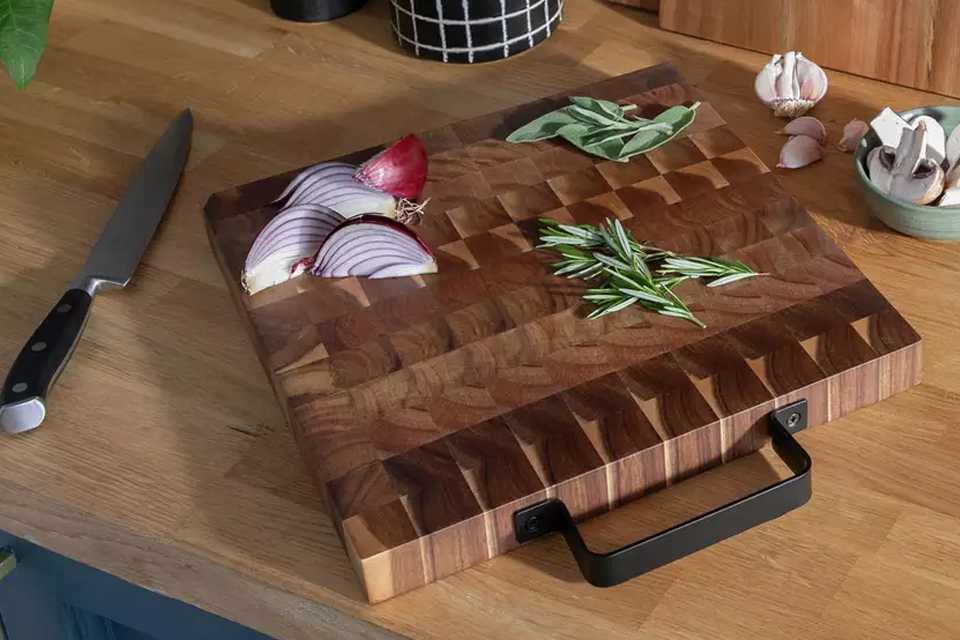
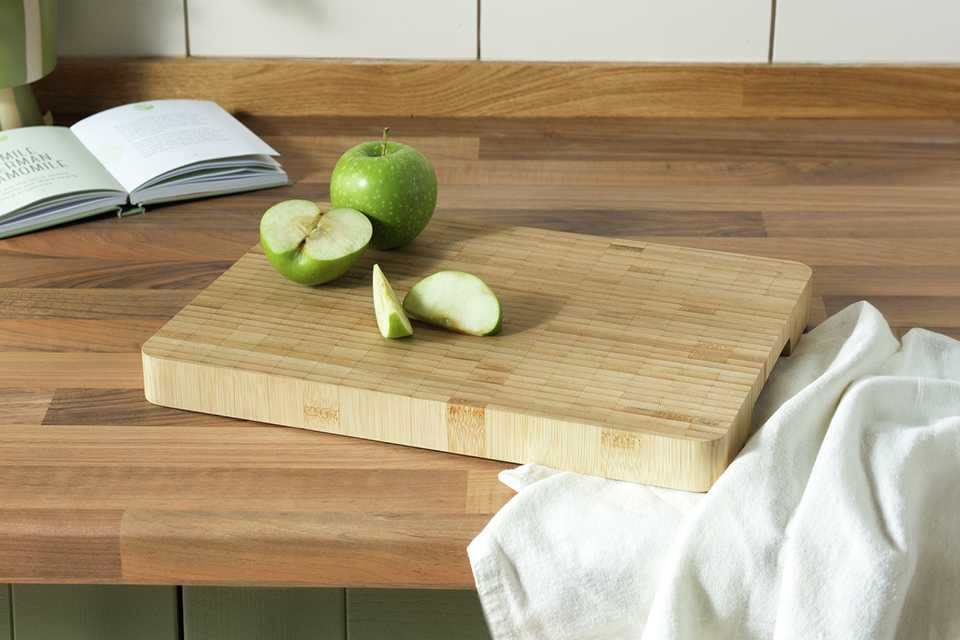
Wooden chopping boards are a classic choice for everyday food prep. They feel sturdy on the worktop and can double as serving boards. Wood is easy to care for with a little attention - avoid soaking it in water, and keep in mind that many wooden boards aren’t dishwasher-safe. If the board becomes cracked, deeply scored or difficult to clean, it may be time to replace it.
Good for:
- Bread and pastries
- Fruit and vegetables
- Cheese and cooked foods
- Serving and sharing boards
Not ideal for:
- Raw meats
- Heavy chopping
- Dishwasher cleaning (unless specified)
Granite and stone chopping boards
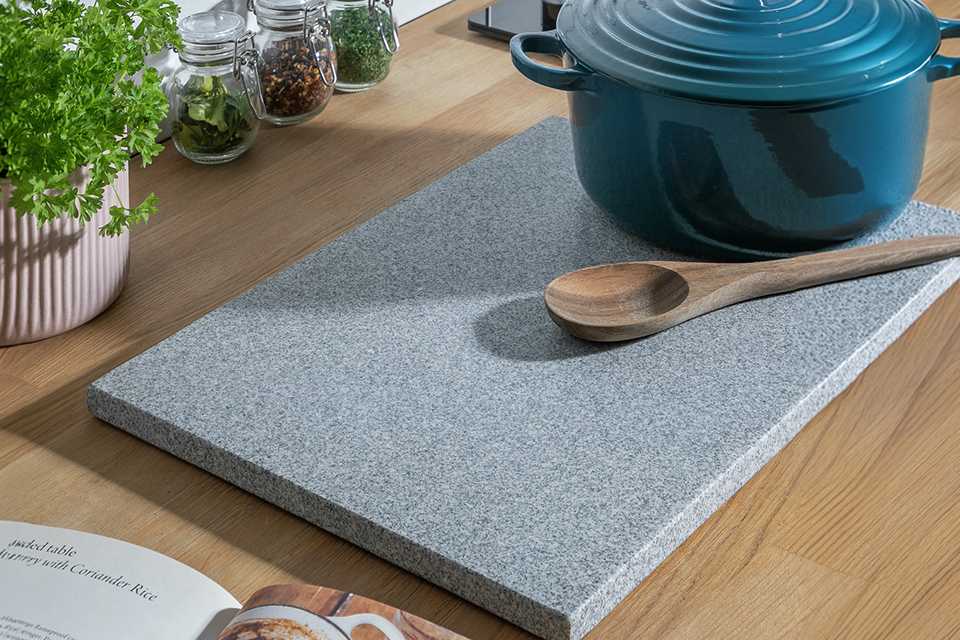
Granite and other stone chopping boards offer a robust, heat-resistant surface that helps shield worktops from everyday marks, spills, and hot pans. Easy to wipe clean and attractive enough for serving, they add a natural touch to any kitchen. While suitable for light food prep, the hard surface can dull kitchen knives more quickly and may feel less forgiving during prolonged use.
Good for:
- Pastry and dough preparation
- Cheese and charcuterie
- Serving and presentation
Not ideal for:
- Sharp kitchen knives
- Everyday chopping and slicing
- Frequent lifting and storage
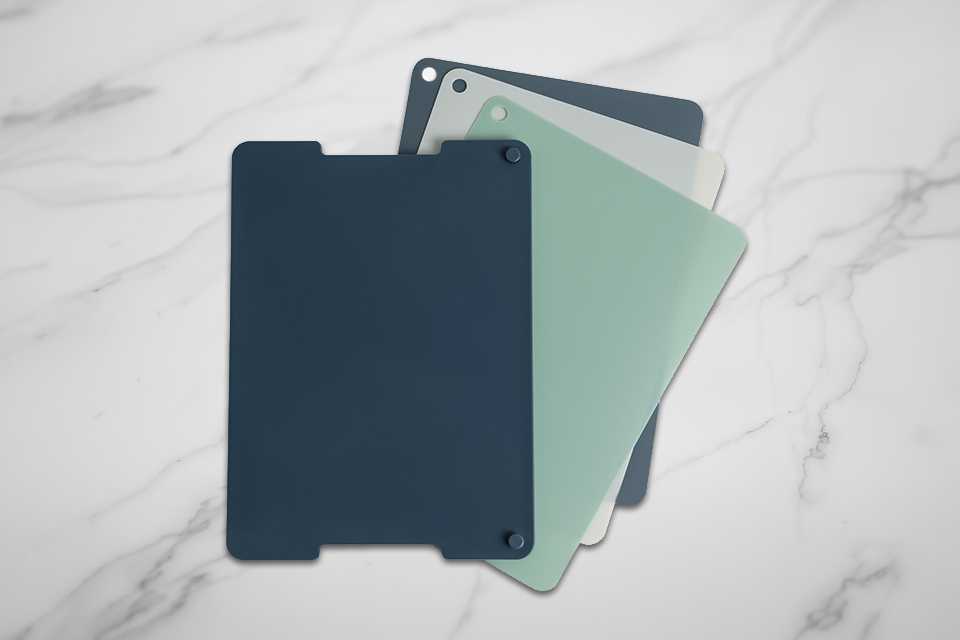
What are colour-coded chopping boards for?
Colour-coded chopping boards are designed to help keep different food groups separate. They’re often used in professional kitchens, but they can also be helpful at home if you want a clear system for preparing different ingredients. These can help reduce risk of cross-contamination as advised on gov.uk.
Here’s a quick table to help you understand what colour-coded chopping boards are used for:
| Chopping board colour | Common use |
|---|---|
Red | Raw meat and poultry |
Blue | Raw fish and seafood |
Yellow | Cooked meat and poultry |
Green | Fruit, salad vegetables, and herbs |
Brown | Unwashed/root vegetables |
White | Bread, bakery, and dairy items |
Purple | Free-from or allergen-controlled foods |
Chopping board features to look out for
Here are a few handy features that can make a chopping board easier, safer and more convenient to use every day:
Juice grooves: A groove around the edge of the board can help catch liquid from fruit, tomatoes or cooked meat. This can prevent excessive kitchen mess and make carving and serving tidier.
Non-slip edges or feet: A board that stays steady on the worktop can feel easier and safer to use. If your board does move, place a clean, damp cloth underneath to help improve grip.
Handles: Handles make boards easier to lift, carry and hang up. They can be especially useful for larger wooden boards and to save worktop space in your kitchen.
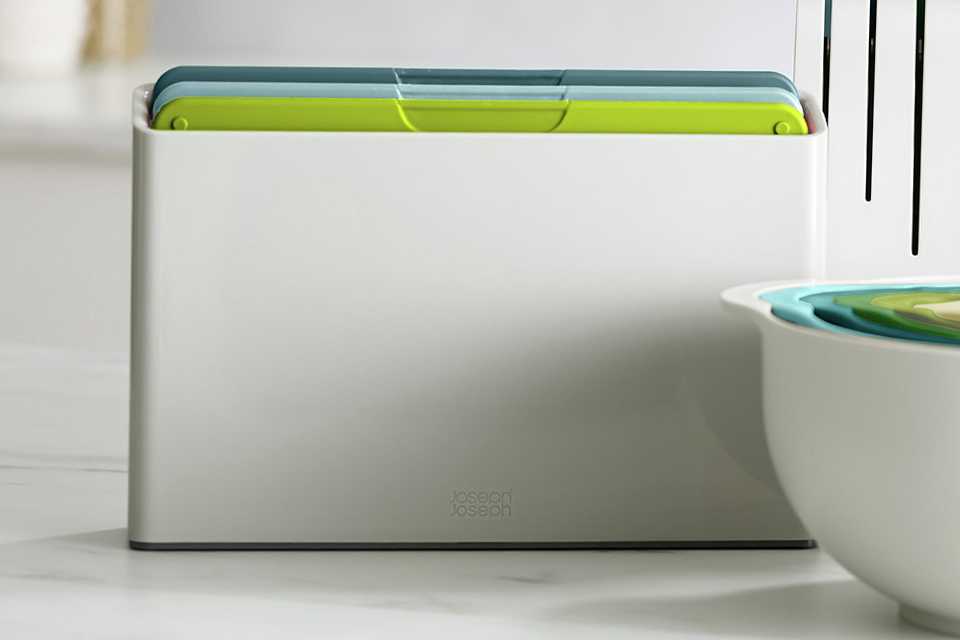
Flexible or folding boards: Flexible chopping mats or boards that fold into a chute can help you transfer chopped ingredients into a pan or bowl more easily. They’re also easy to store if you have limited kitchen space.
Storage stands and cases: A chopping board set with a stand or storage case can help keep boards organised and separated between uses.
Personalised chopping boards
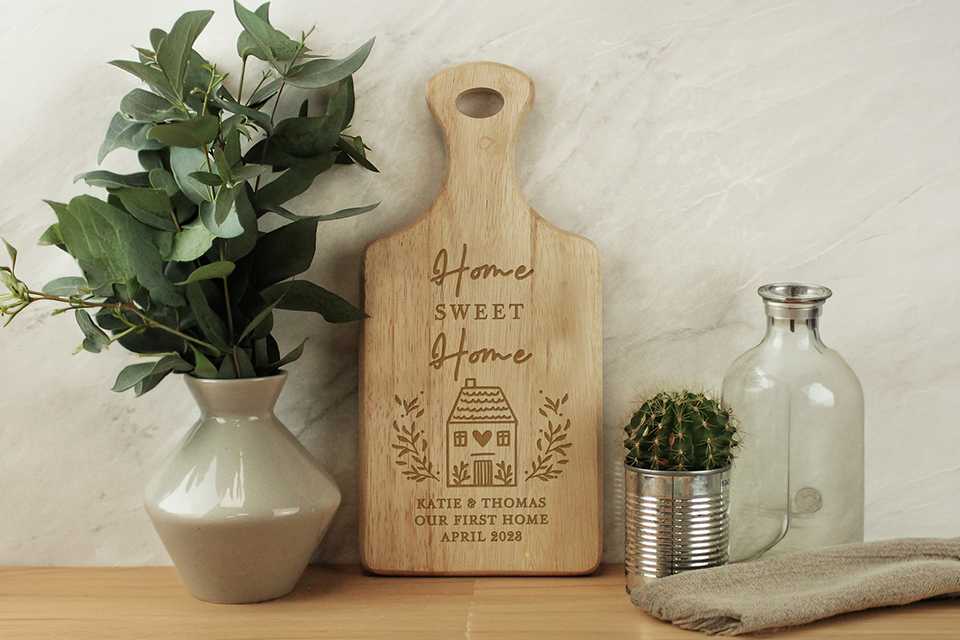
Your signature kitchen piece
Make your chopping board truly one of a kind with a personalised design. Whether engraved with a name, message or special date, it adds a thoughtful touch and makes a practical yet memorable housewarming gift. You can also choose one for yourself to bring character and a personal touch to your kitchen.
- Shop all personalised chopping boards
Top chopping board picks
Slider Grid
- £35.00Free collection or delivery from £4.95
- £28.00Free collection or delivery from £4.95








How to clean and maintain your chopping board
Looking after your chopping boards helps keep them cleaner, easier to use and in better condition. Always start with the care instructions that come with your board, as different materials may need different cleaning methods.
Read on for material-specific care tips to help keep your chopping boards in great condition.
Wooden: Hand wash, dry immediately and avoid soaking. Excess moisture can cause warping, cracking or swelling over time. Oil only if recommended in the product care instructions to help maintain the finish.
Bamboo: Hand wash and dry thoroughly after use. Although naturally durable, prolonged exposure to moisture can lead to staining, surface damage and a shorter lifespan.
Plastic: Wash thoroughly after every use to help maintain hygiene and remove food residue. Some are dishwasher safe but always check the label. Replace your boards when they become deeply scratched, as they can be difficult to keep clean.
Glass: Wash or wipe clean after use to remove residue and keep the surface hygienic. Take extra care when wet, as glass can become slippery and harder to handle safely. Check regularly for chips, cracks or sharp edges.
Flexible mat: Wash after use and allow to dry completely before storing flat or upright. This helps prevent odours, moisture build-up and warping that can affect performance.
Stone: Wipe clean with warm water and mild detergent, then dry thoroughly. Avoid harsh cleaners and sudden temperature changes, which may damage the surface or affect its appearance.
Quick tip: For easier maintenance, clean your chopping boards straight after use, particularly after handling raw ingredients. Allow them to dry fully before storing them separately.
Frequently asked questions about chopping boards
When should you replace a chopping board?
Replace a chopping board when it is cracked, warped, badly stained, heavily scratched or difficult to clean. This is especially important for boards used with raw meat, fish or poultry. Deep grooves can make any board harder to clean properly. If your board no longer sits flat, smells after washing or has visible damage, it’s safer and more practical to replace it than keep using it.
What is the most hygienic chopping board?
No chopping board is inherently the most hygienic. Plastic and wooden boards can both be safe when properly cleaned and maintained. Use separate boards for raw and ready-to-eat foods, wash thoroughly after use, and replace boards with deep grooves or damage that can trap bacteria.
What are the 7 chopping board colours?
The seven common chopping board colours are red, blue, yellow, green, brown, white and purple. In colour-coded food safety systems, red is for raw meat, blue for raw fish, yellow for cooked meat, green for fruit and salad, brown for unwashed vegetables, white for bakery and dairy products, and purple for allergen-free foods. The same system can be used at home to reduce cross-contamination.
What is the most hygienic chopping board for meat?
For raw meat, many people choose a separate plastic chopping board because it is practical, easy to identify and often available as part of a colour-coded set. The key point is to keep raw meat separate from ready-to-eat foods and clean the board thoroughly after use. Using a red board for raw meat can make this easier to remember.
Can you use a wooden chopping board for meat?
Yes, wooden chopping boards can be used for raw meat if cleaned and dried thoroughly after use. Use a dedicated board for meat, avoid using it for other ingredients, and replace it if cracked or heavily scored.
Should I throw away plastic chopping boards?
You do not need to throw away plastic chopping boards just because they are plastic. Replace them on time when they become deeply scratched, warped, cracked, stained or difficult to clean. Light marks from normal use are common, but deep grooves can make a board harder to clean properly.
Do I need more than one chopping board?
Having more than one chopping board can make food prep easier, more hygienic and organised. It helps you keep raw meat, fish, fruit, vegetables and ready-to-eat foods separate. A simple setup might include one board for raw ingredients, one for fruit and vegetables, and one for bread or serving. A chopping board set can be useful if you want boards in different sizes or colours.