
Best ways to dry clothes outside
Find the best washing lines or clothes airer for your needs. Learn how to make the most of different weather conditions.
Shop all clothes drying equipment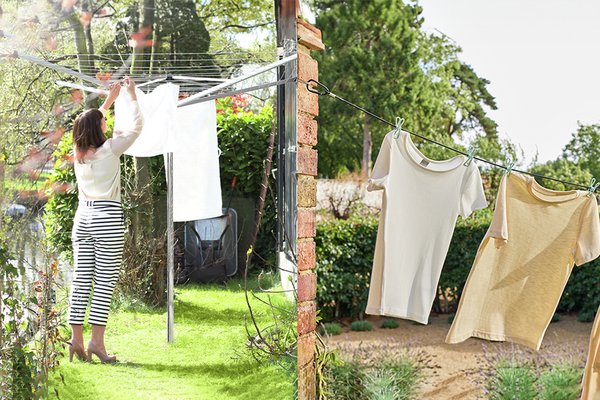&poi={$this.metadata.pointOfInterest.x},{$this.metadata.pointOfInterest.y},{$this.metadata.pointOfInterest.w},{$this.metadata.pointOfInterest.h}&scaleFit={($this.metadata.pointOfInterest.x>0)?$sfpoi:$sfcenter}&sm=aspect&aspect=3:2&sfcenter=center&sfpoi=poi&qlt=50&fmt=auto&noiser=0&fmt.jpeg.interlaced=true&fmt.jp2.qlt=40&)
By Natasha Taggar | Last edited: June 2026
Why dry your clothes outside?
Drying clothes outside is one of the simplest ways to make laundry day feel easier, especially when the weather is dry, bright or breezy. The right washing line, rotary airer or clothes airer can help you make the most of your garden, balcony or patio, while giving clothes enough space and airflow to dry properly. Energy Saving Trust also recommends drying your clothes outside in warmer weather as an effective way to reduce energy consumption by cutting back on tumble dryer use. Outdoor drying also keeps your living space free of the inevitable dampness that wet laundry brings. Additionally, it's great for bulkier items like towels, jeans and bedding.
Outdoor drying checklist - the best way to dry clothes outside
For effective outdoor drying, start by removing as much moisture as possible in the wash, then hang items in a well-ventilated space where air can circulate freely. Sunlight can speed things up, but a steady breeze works just as well without the risk of fading fabrics. Staying aware of changing weather conditions will help you get everything dry efficiently and avoid re-dampening.
Here's a handy outdoor drying checklist to make your next laundry day a bit easier:
- Check the forecast before you start drying.
- Ensure your line or airer is clean and ready to use.
- Use a high spin cycle to reduce excess moisture.
- Shake out garments to help reduce creases.
- Hang items with enough room for air to circulate.
- Secure each piece properly to prevent shifting or falling.
- Position your setup in the best available airflow.
- If using an airer, adjust the placement as conditions change throughout the day. Bring items in promptly once dry and pack equipment away if needed
Read on to learn more about all different outdoor clothes drying solutions.
Finding the right outdoor clothes drying option
The best outdoor drying setup depends on how much space you have, how often you do laundry and whether you need something permanently fixed in place, or something portable and easy to put away. Argos has washing lines, rotary outdoor airers, retractable washing lines and clothes airers across its laundry and ironing ranges. Here are some quick tips to keep in mind when choosing a location for your new washing line or airer.
Look for a spot that is:
- Open to a breeze
- Away from muddy ground
- Not directly under trees, where leaves or bird mess may fall
- Easy to reach from the back door or utility space
- Clear of paths, play areas and garden furniture
- Big enough for the washing line to open fully
| Drying option | Good for | Things to consider |
|---|---|---|
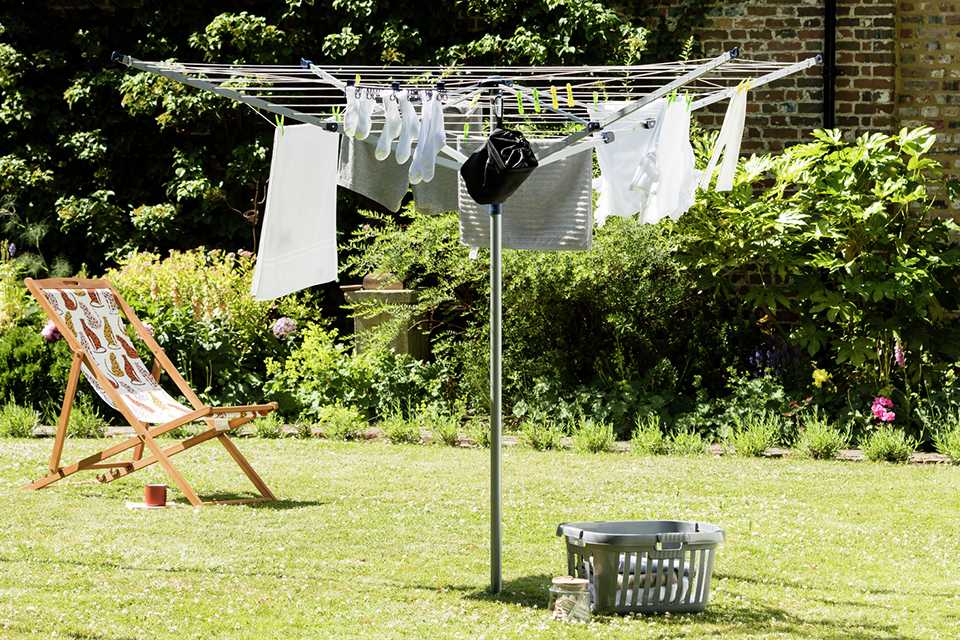
Rotary washing line | Gardens, family loads, bedding and towels | Needs enough room to turn and a secure base or ground spike |
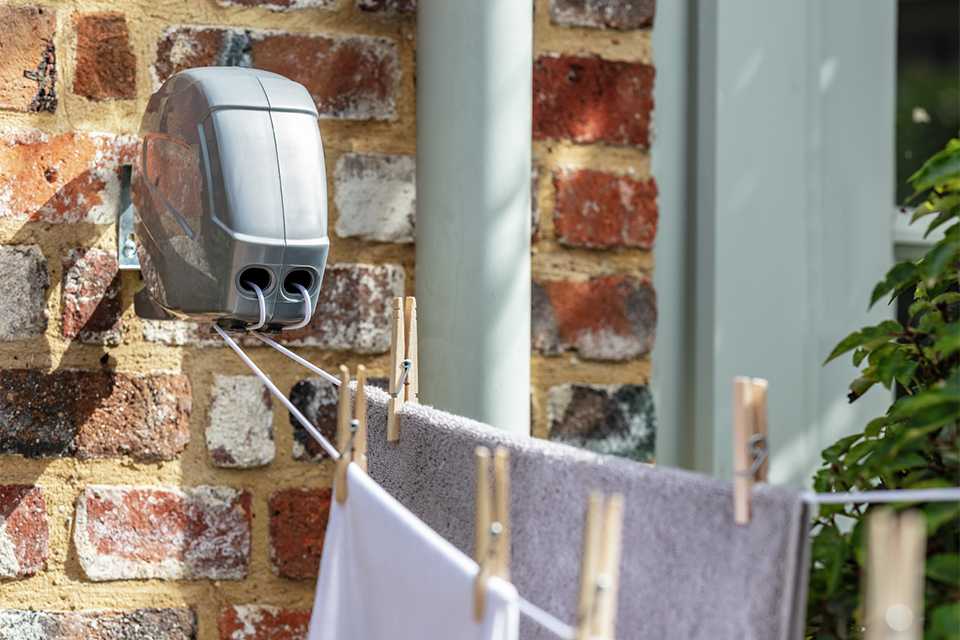
Retractable washing line | Small gardens, patios and occasional use | Needs suitable fixing points and enough wall-to-wall space |
Washing line pole | Traditional line drying in a garden | Needs stable positioning and enough length for the line |
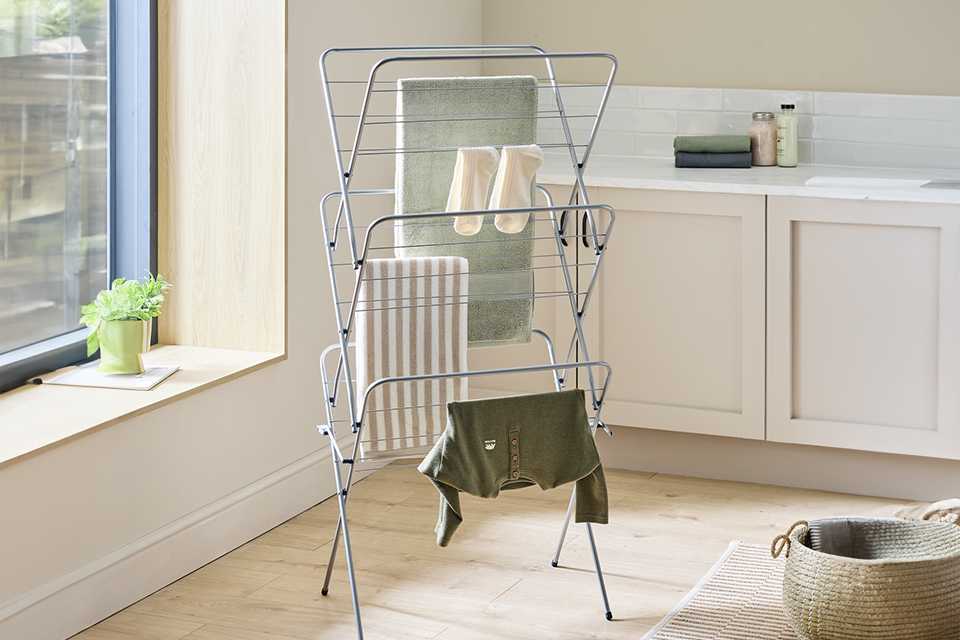
Portable clothes airer | Balconies, patios or moving washing around | Holds less than some fixed options but is easy to reposition |
Indoor clothes airer | Backup drying when outdoor weather is poor | Best used in a ventilated room without blocking walkways |
Carousel
Best weather for drying clothes outside
You don't always need a hot day to dry clothes outside. Dry air and a breeze can be just as important as warmth. Bright weather can help, but still, humid air will slow drying down. Here's a quick breakdown of what to expect when drying your clothes in different weather conditions.
| Weather condition | What it means for drying |
|---|---|
Sunny and breezy | Usually one of the most helpful conditions for outdoor drying |
Cloudy but dry and breezy | Can still work well, especially for lighter items |
Warm but humid | Clothes may take longer because the air already holds moisture |
Cold but dry | Washing can still dry, but it may take longer |
Foggy, rainy or very damp | Not ideal because moisture in the air slows drying |
Drying different clothes outside
Drying clothes outdoors is energy-efficient, but different fabrics dry at different speeds. Understanding how to hang each garment helps preserve shape, prevent damage, and speed up drying. From lightweight tops to heavy bedding, simple techniques can ensure fresher, longer-lasting results for every load. Always check the garment care label before choosing a drying method. Some items may not be suitable for line drying, direct sunlight or hanging when wet.
| Item | Outdoor drying tip |
|---|---|
T-shirts and tops | Peg from the hem or hang over the line with space between each item |
Shirts | Shake first, then hang from the hem or on a hanger if suitable |
Jeans | Turn inside out and peg from the waistband, or rotate partway through drying |
Towels | Hang in a single layer and avoid folding over too much fabric |
Bedding | Use the outer lines of a rotary airer or a long washing line for more space |
Jumpers | Check the care label. Some may need to dry flat rather than hang |
Delicates | Follow the care label and avoid direct strong sunlight if fading or stretching is a concern |
Explore our top clothes lines and airers
Slider Grid
- Save 25%£105.00Was
£140.00Free collection or delivery - Save 1/3£33.33Was
£50.00Free collection or delivery from £4.95 - Save 1/3£43.32Was
£65.00Free collection or delivery from £4.95 - Save 25%£44.99Was
£60.00Free collection or delivery from £4.95









Smarter outdoor drying: Common mistakes and line care tips
Get better results when drying clothes outdoors by avoiding common mistakes and looking after your washing line. Small changes in how you hang laundry and maintain your line can improve drying speed, protect fabrics, and extend the life of your outdoor drying setup. Proper use and setup also make a difference. Always follow the manufacturer’s instructions for installation, load limits, and care when using your washing line or airer. You could also invest in some simple, yet effective laundry accessories for a touch of added convenience.
Carousel
FAQs about drying your clothes outside
How to dry clothes outdoors quickly?
Outdoor drying depends on the weather, fabric type and how wet the laundry is when it comes out of the machine. These simple steps can help washing dry more evenly.
- Use an extra spin cycle if suitable for the fabric care label
- Shake items out before hanging to reduce folds and trapped moisture
- Leave space between clothes so air can move around them
- Hang heavier parts, such as waistbands and cuffs, where they can get more airflow
- Turn thicker items partway through drying if they still feel damp
- Hang bedding and towels in a single layer where possible
- Bring washing in before the evening air turns cooler or damp
Can clothes dry in 4 hours outside?
Yes, clothes can dry in 4 hours outside if conditions are favourable. Warm temperatures, low humidity, good airflow and direct sunlight can speed up drying, while cool, damp or still conditions may slow down the process.
Can I dry clothes outside in winter in the UK?
Yes, you can dry clothes outside in winter when conditions are dry enough, but it will usually take longer than in summer. The most useful winter drying conditions are dry air, daylight and some breeze.
If you want to try drying washing outside in colder months:
- Hang clothes out as early as practical to make the most of daylight
- Use the fastest spin cycle that is suitable for the fabric
- Choose lighter loads so items have more space
- Bring items indoors before they become damp again
- Finish drying indoors on an airer if needed, in a ventilated room
- Avoid putting wet washing outside if rain, fog or heavy damp is forecast
Is 14 degrees warm enough to dry washing outside?
Yes, 14°C is warm enough to dry clothes outdoors. Drying depends more on airflow and humidity than temperature, so a breezy, dry day at 14°C can dry your laundry effectively even without direct sunlight.
What are the pros and cons of drying outside?
Drying clothes outside is energy-efficient, helps fabrics smell fresher, and can reduce wrinkles. However, it depends on the weather, may take longer in cool or humid conditions, and sunlight can fade some fabrics over time.
Why shouldn't we dry clothes outside at night?
Clothes shouldn’t be left out overnight because temperatures drop and humidity rises, causing dampness or dew to settle on fabrics. This can make your laundry wet again and delay drying.