
Best outdoor toys for kids
Enjoy screen-free play time outside with your kids with our range of outdoor toys and games to enjoy this summer.
Shop outdoor toys and activities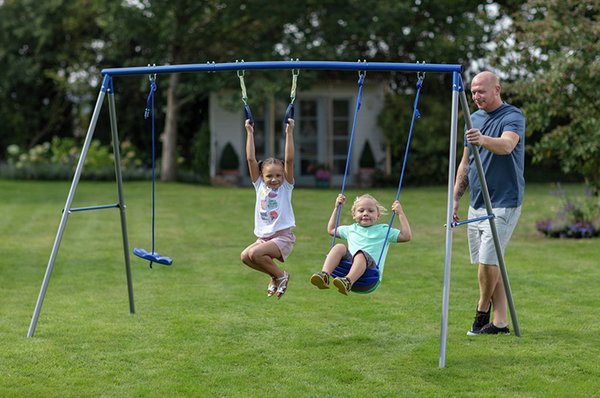&poi={$this.metadata.pointOfInterest.x},{$this.metadata.pointOfInterest.y},{$this.metadata.pointOfInterest.w},{$this.metadata.pointOfInterest.h}&scaleFit={($this.metadata.pointOfInterest.x>0)?$sfpoi:$sfcenter}&sm=aspect&aspect=3:2&sfcenter=center&sfpoi=poi&qlt=50&fmt=auto&noiser=0&fmt.jpeg.interlaced=true&fmt.jp2.qlt=40&)
By Charlotte Pirie | Date published: June 2026
Fresh air, active play and a bit of imagination can go a long way. Whether you have a small patio, a family garden or a nearby park, the right outdoor toys can help children burn off energy, build confidence and enjoy screen-free play.
From classic garden games and ride-ons to swings, slides and playhouses, discover outdoor toy ideas for different ages, spaces and play styles. We’ll also share what to think about before you buy, including storage, supervision and garden safety
Outdoor toys by age
Children play differently as they grow, so it helps to choose outdoor toys that suit their age, confidence and abilities. Always check the product age guidance before buying and supervise children while they play.
| Age range | Outdoor toy ideas | Good for |
|---|---|---|
1 to 2 years | Push-along toys, small slides, toddler swings, bubble toys, chunky balls | Balance, movement and sensory play |
3 to 4 years | Miini goals, playhouses, ride-ons, chalk, simple garden games | Imagination, coordination and independent play |
5 to 8 years | Scooters, trampolines, swingball, skittles, throwing games | Active play, confidence and turn-taking |
9 years and over | Larger garden games, sports sets, bikes, basketball hoops | Team play, skill-building and longer play sessions |
Outdoor toys for small gardens
You don’t need a large garden to make outdoor play fun. For smaller spaces, look for toys that are compact, easy to move and simple to pack away. And you can take many of these options to the park or beach to enjoy a day out in the sun.
Good options include:
- Garden skittles, ring toss and bean bag games: easy to set up on grass, patios or decking.
- Chalk and pavement games: ideal for hopscotch, drawing and make-your-own obstacle courses.
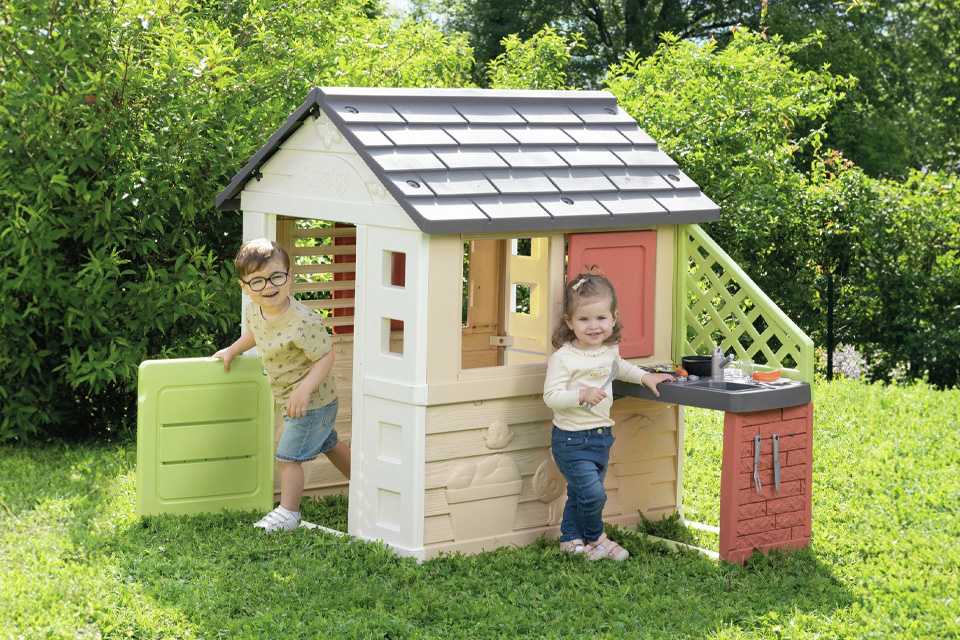
- Small play tents or pop-up playhouses: useful for imaginative play and quick tidy-ups.
- Bubbles, balls and catching games: simple choices for younger children.
If space is tight, check product dimensions before buying and think about where the toy will be stored when not in use.
- Shop lawn games
Garden games for active play
Garden games are a fun way to get children moving and enjoy the outdoors, whether they’re playing on their own, with siblings or as a family. They’re great for keeping little ones entertained after school, at weekends or during parties, making them a handy choice for all kinds of outdoor play.
Popular garden game ideas include:
- Swingball for hand-eye coordination.
- Football goals for kicking practice and team games.
- Basketball hoops for throwing, aiming and movement.
- Giant garden games for family play.
- Rounders, badminton or tennis sets for bigger outdoor spaces.
For younger children, choose lightweight equipment and games with simple rules. For older children, look for adjustable or skill-based toys that can keep play interesting as they grow.
Outdoor play equipment for bigger gardens
If you’ve got a bit more room to play with, larger outdoor play equipment can help turn your garden into a fun space for active play at home. Before choosing, it helps to think about the practical side too, like how much setup space you need, safety clearances and handy storage options.
Swings and slides
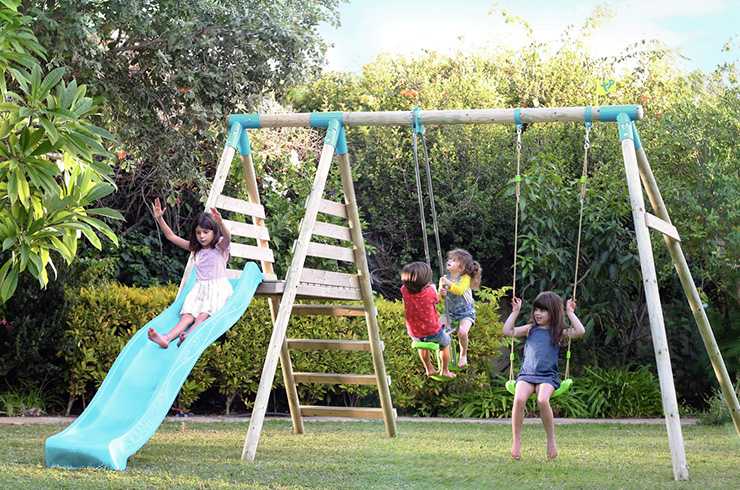
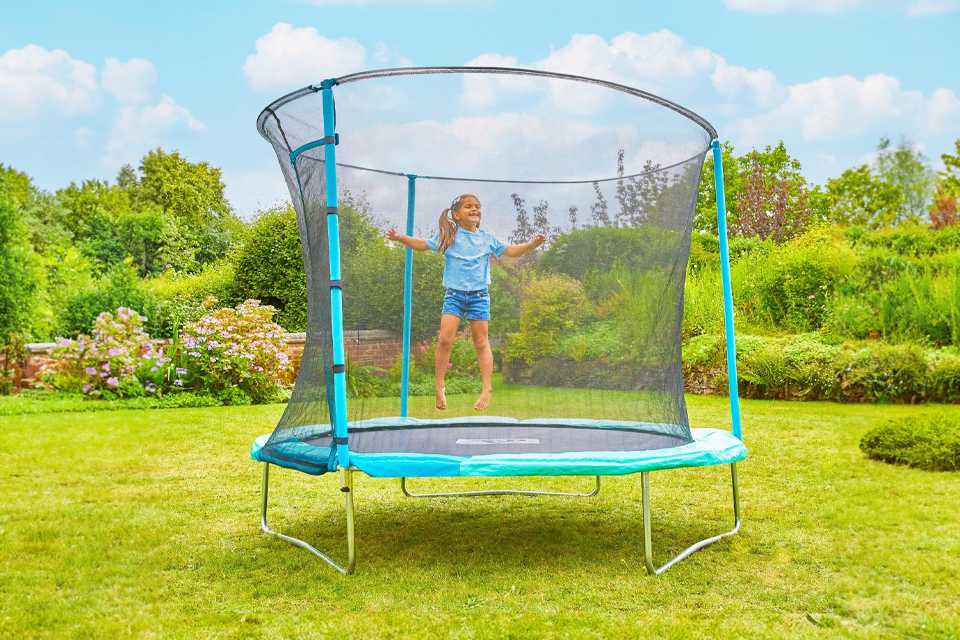
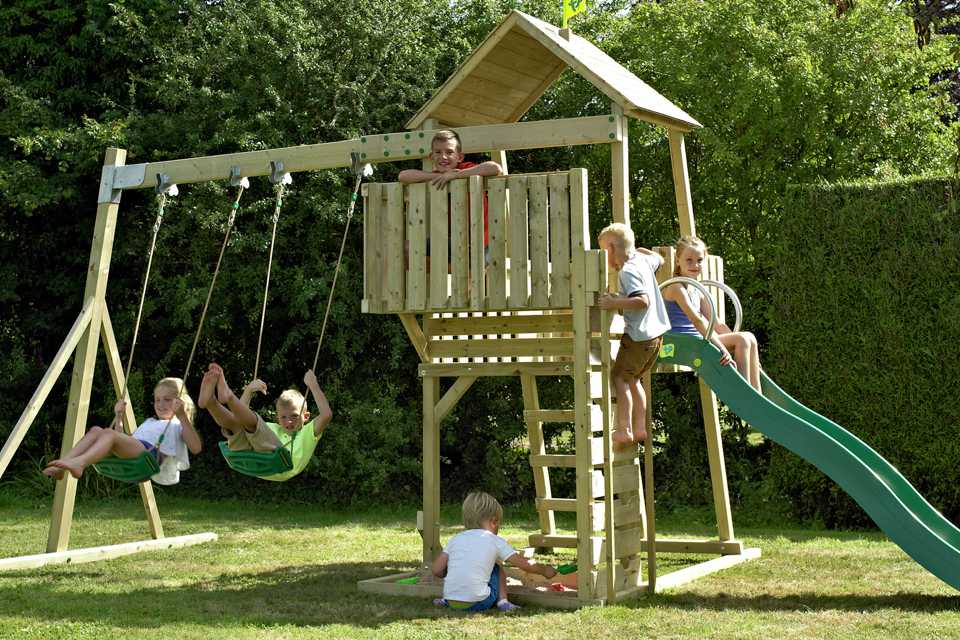
Swings and slides are classic children’s garden toys. They are good for active play, confidence and coordination. Before buying, check the age guidance, maximum user weight, ground surface and how much space is needed around the frame.
Ride-ons, scooters and bikes
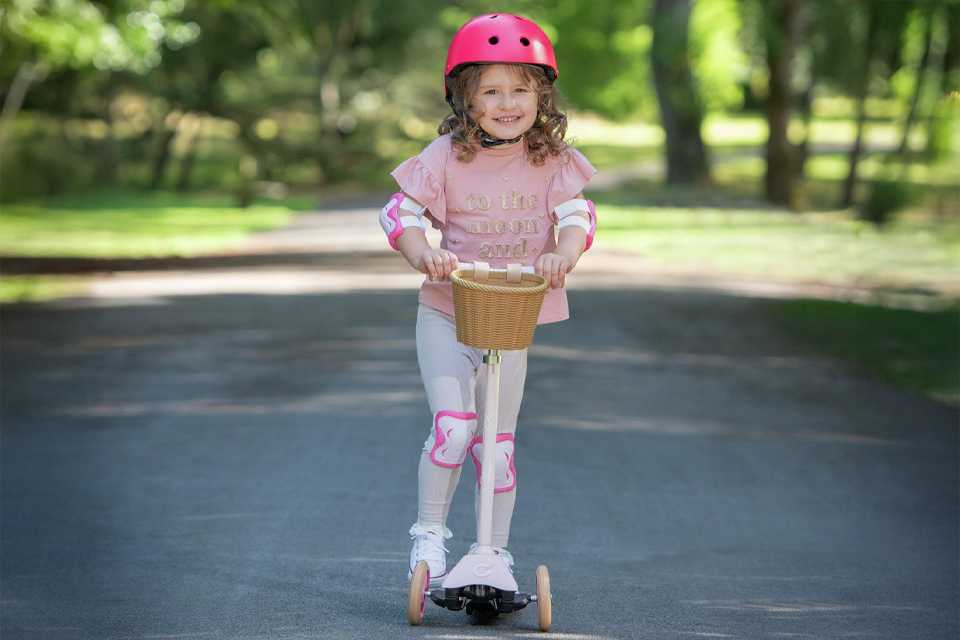
Ride-ons, scooters and kids’ bikes are great outdoor toys for building balance, coordination and confidence. They can be used in gardens, driveways, parks or other safe outdoor spaces, depending on the product and the child’s age.
Here are a few options to consider:
- Ride-ons for toddlers and younger children.
- Balance bikes for early confidence before pedals.
- Scooters for quick outdoor play and short journeys.
- Kids’ bikes for older children ready for more independent riding.
- Trikes for younger children who need extra stability.
Make sure children use ride-ons, scooters and bikes in a safe place away from traffic. Protective gear may be needed depending on the activity, so check the product guidance and use common sense for the setting.
What to think about before choosing outdoor toys
Before choosing garden toys or outdoor play equipment, it is worth checking a few practical details.
Space - Measure the area where the toy will be used. For larger equipment, remember to allow extra space around the toy, not just the footprint of the frame.
Age suitability - Check the recommended age range and any user guidance. This is especially important for swings, slides, trampolines, climbing frames, ride-ons and scooters.
Storage - Think about where the toy will go when playtime is over. Foldable, stackable or lightweight toys can be easier to store in sheds, garages or garden boxes.
Weather resistance - Outdoor toys may still need care, cleaning or covering. Check the product instructions so you know how to look after materials like plastic, metal, fabric or wood.
Supervision - Outdoor play still needs adult supervision, especially around water, larger play equipment, ride-ons and younger children.
Garden safety tips
Outdoor play should be fun, but it is sensible to check the garden before children start playing. The Child Accident Prevention Trust advises that babies and toddlers can drown in very little water and says paddling pools should be emptied after use and turned over so they cannot refill with rainwater. It also advises keeping garden tools and chemicals out of reach, keeping children away from BBQs and fire pits until fully cooled, and letting children take turns on trampolines rather than bouncing together.
A quick garden check could include:
- Emptying or covering anything that can collect water.
- Moving garden tools, chemicals and sharp items out of reach.
- Checking play equipment is stable and in good condition.
- Keeping children away from BBQs, fire pits and hot surfaces.
- Making sure gates are closed and outdoor boundaries are secure.
- Following the manufacturer’s instructions for setup, use and maintenance.
For more detailed safety information, see the Child Accident Prevention Trust garden safety advice.
FAQs
What are good outdoor toys for kids?
Good outdoor toys for kids are toys that suit their age, space and play style. For younger children, this could include bubbles, balls, toddler swings, ride-ons or small slides. Older children may enjoy scooters, bikes, trampolines, football goals, swingball or garden games. If you have limited space, compact toys like chalk, skittles, bean bag games and pop-up tents can work well. Always check product age guidance and supervise children while they play.
What garden toys are best for small gardens?
For small gardens, choose toys that are compact, easy to move or simple to store. Good options include swingball, chalk, skittles, ring toss, bean bag games, bubbles, small play tents and lightweight balls. Foldable or stackable toys can be helpful if you need to clear the space after play. Before buying, check the product dimensions and think about where the toy will be used and stored.
What outdoor toys are suitable for 1-year olds?
Outdoor toys for 1-year olds should be simple, sturdy and suited to early movement. Push-along toys, soft balls, bubbles, toddler ride-ons and low activity toys can encourage sensory play and coordination. Always check the product age recommendation before buying. Young children need close supervision outdoors, especially near water, steps, garden tools or larger play equipment.
What can a 3-year-old play outside?
A 3-year-old may enjoy outdoor toys that support movement, imagination and simple problem-solving. Ideas include mini slides, playhouses, chalk, bubbles, ride-ons, small footballs, toy gardening tools and simple garden games. At this age, short activities often work best, so toys that are quick to set up and easy to change can help keep them engaged. Always choose age-suitable toys and supervise outdoor play.
How can I keep kids entertained in the garden?
Mix active, creative and imaginative play so children have a few different options. You could set up a simple obstacle course, play skittles, draw with chalk, use bubbles, create a den or play a throwing game. For older children, try swingball, football goals, basketball hoops or giant garden games. Rotating toys can also help make familiar outdoor toys feel new again.
Which outdoor toys are good for active play?
Outdoor toys that support active play include scooters, bikes, trampolines, football goals, basketball hoops, swingball, skipping ropes and garden sports sets. These can help children practise balance, coordination, aiming and movement. Choose toys that suit the child’s age and confidence level and make sure there is enough safe space to use them properly.
Are trampolines good outdoor toys for children?
Trampolines can be enjoyable outdoor toys for active play, but they need careful setup, supervision and clear rules. Check the manufacturer’s age guidance, maximum user weight and assembly instructions before use. The Child Accident Prevention Trust advises that many trampoline accidents happen when two or more people bounce at the same time, especially when their weights are very different.
What are durable outdoor toys?
Durable outdoor toys are usually made from materials designed for outdoor use, such as treated wood, weather-resistant plastic or coated metal. However, durability depends on the specific product, how it is used and how it is cared for. Check the product details for care instructions, storage guidance and whether covers or regular cleaning are recommended. Bringing smaller toys indoors or storing them in a shed can help keep them in better condition.